




How to Take the Slow Boat from Thailand to Laos

The slow boat from Thailand to Laos ranks among Southeast Asia’s most iconic backpacker journeys, offering a perfect blend of adventure, cultural immersion, and stunning Mekong River scenery. After completing this journey myself and speaking with dozens of fellow travellers who’ve made the trip, I can confirm it deserves its legendary status amongst the backpacking community. However, the two-day river journey requires proper preparation and realistic expectations to avoid the disappointment that catches many unprepared travellers off guard.
Which Direction?
While the journey can be done in either direction, travelling downstream from Thailand to Laos provides the best experience with faster journey times, more predictable schedules, and a natural cultural transition from Thailand’s tourist infrastructure to Laos’s traditional pace. If you’re considering the reverse route from Luang Prabang to Thailand, jump to our reverse journey section for specific details about upstream travel challenges.
Getting from Chiang Rai to the Border
The journey begins in Chiang Rai (about 3 hrs drive from Chiang Mai), where most backpackers spend their final night in Thailand before crossing into Laos. From Chiang Rai, you have several options to reach the border at Chiang Khong, approximately 60 kilometres north of the city.
Transport Options from Chiang Rai
The local bus from Chiang Rai to Chiang Khong costs around 40-50 Thai baht and takes roughly 90 minutes. These buses depart hourly from the main bus station and provide an authentic local experience, though they can be crowded and lack air conditioning. I took this route during my first crossing and enjoyed chatting with local farmers heading to border markets.
Alternatively, many guesthouses in Chiang Rai offer minivan services to the border for 150-200 baht per person. These vans typically depart between 7-9 AM and coordinate timing with boat departures. While more expensive than public buses, they provide door-to-door service and eliminate potential confusion about timing.
Tour packages from Chiang Rai include transport, border assistance, and boat tickets for around 2,500-3,500 baht total. I initially dismissed these as overpriced tourist traps, but after experiencing the independent route’s complications, I recommend them for first-time travellers or anyone concerned about navigating the border process alone.
The Border Crossing Process: Thailand to Laos
Thai Exit Procedures
The Chiang Khong border checkpoint operates daily from 6 AM to 6 PM, though arriving early ensures smoother processing before crowds build up. Thai exit procedures are straightforward: present your passport, receive an exit stamp, and walk towards the Friendship Bridge connecting Thailand and Laos.
During my crossing, I arrived at 7:30 AM and completed Thai formalities within 10 minutes. By contrast, travellers arriving after 11 AM often wait 45-60 minutes due to tour group congestion and limited processing windows.
Crossing the Mekong
The Fourth Thai-Lao Friendship Bridge spans the Mekong River between Chiang Khong and Huay Xai. You cannot walk across this bridge; instead, shuttle buses transport passengers for 25 Thai baht or 20,000 Lao kip. These shuttles depart every 15-20 minutes during peak hours but less frequently during early morning and late afternoon periods.
The 10-minute bridge crossing provides spectacular views of the Mekong River and surrounding mountains. I recommend sitting on the left side for better photographic opportunities, though the brief journey passes quickly.
Laos Entry Procedures
Huay Xai immigration processes visa applications and entry stamps for all travellers. Most nationalities can obtain 30-day tourist visas on arrival for 30-35 USD, depending on nationality – check your government travel site. Have exact change ready, as officials rarely provide change for larger bills.
The visa application requires one passport photograph and a completed arrival form. Several photo shops operate near the border for travellers who forgot pictures, though they charge inflated prices of 3-5 USD for standard passport photos that cost 50 cents elsewhere.
During peak season (November-February), visa processing can take 45-90 minutes due to volume. I waited nearly two hours during my December crossing, watching frustrated travellers argue with officials about processing delays they couldn’t control.
The Gibbon Experience: A Worthy Detour
The Gibbon Experience continues operating in Bokeo Province and has actually expanded its offerings, introducing new treehouse accommodations in 2025. This unique conservation project combines wildlife protection with adventure tourism, allowing visitors to zipline through primary rainforest canopy while staying in elevated treehouses.
What the Gibbon Experience Involves
The experience requires 2-4 days depending on which package you choose, with prices ranging from 1,200,000 to 2,400,000 Lao kip (roughly 60-120 USD). The classic experience includes jungle trekking, zipline networks spanning several kilometres, and nights spent in treehouses built 40-50 metres above ground level.
I completed the three-day classic experience during my first slow boat journey and considered it the highlight of my entire Laos visit. Waking up to gibbon calls echoing through the forest canopy while sipping instant coffee 50 metres above the jungle floor created memories that justify the expense and logistics complications.
Booking and Logistics
The Gibbon Experience must be booked in advance through their official website or authorised agents in Huay Xai. Walk-in availability is extremely limited, particularly during peak backpacker season. I learned this lesson when attempting to book spontaneously in October 2023, only to discover the next available slot was eight days later.
Most participants arrive in Huay Xai a day before their Gibbon Experience begins, then continue on the slow boat after completing their forest adventure. This timing works perfectly with the boat schedule, as Gibbon Experience participants typically finish their programmes between 2-4 PM, leaving time to prepare for the next morning’s boat departure.
Integration with Slow Boat Timing
The Gibbon Experience pickup point in Huay Xai sits within walking distance of the slow boat departure pier. Many backpackers use the day between border crossing and boat departure to begin their Gibbon Experience, though this requires advance planning and flexible scheduling.
If you’re considering both experiences, book the Gibbon Experience first and plan your slow boat departure for 2-3 days after your scheduled Gibbon Experience completion. This buffer accounts for potential weather delays or extended programmes that sometimes occur.
The Slow Boat Journey: Day by Day
Day One: Huay Xai to Pak Beng
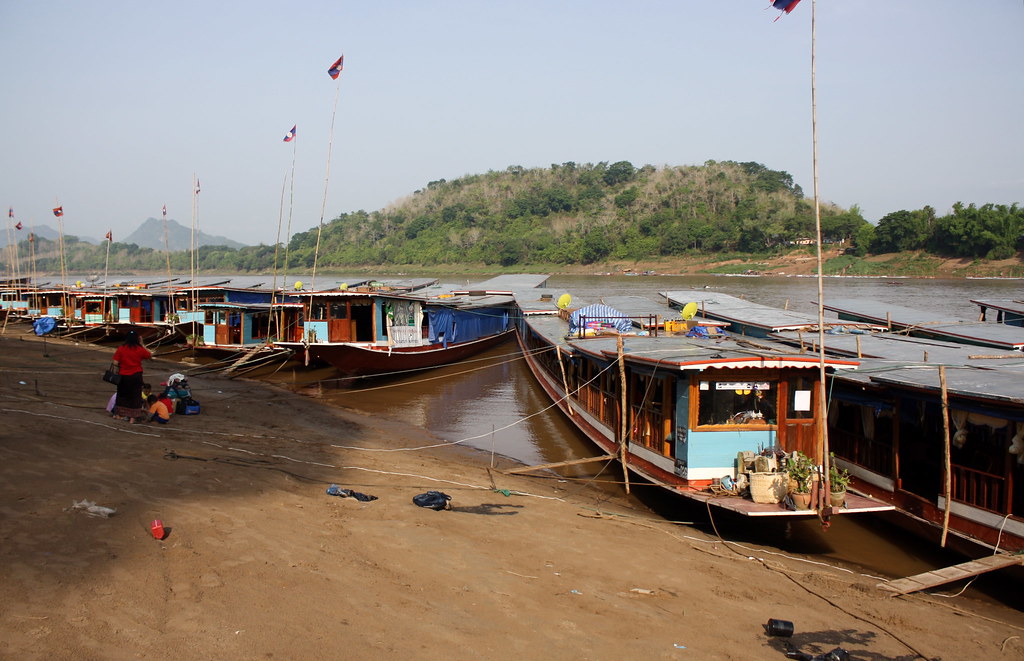
The slow boat typically departs around 8:30 AM and takes approximately 8-9 hours to reach Pak Beng, arriving around 5:30 PM. The boats are traditional wooden vessels with bench seating and basic facilities, designed for cargo transport rather than tourist comfort.
Securing good seats requires arriving at the pier by 7:30 AM, even though departure isn’t until 8:30 AM. The best seats are at the front of the boat where engine noise is minimised and views are unobstructed. During my journey, I arrived at 8:15 AM and ended up squeezed between backpacks and local cargo for the entire day.
The journey downstream passes through remote villages, limestone karsts, and dense jungle scenery that changes throughout the day. Bring entertainment, snacks, and water, as onboard facilities are basic and food options limited. I downloaded several audiobooks and brought playing cards, which helped pass time during the slower river sections.
Overnight in Pak Beng
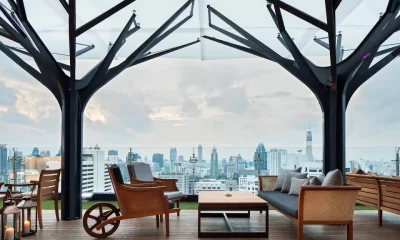
Pak Beng serves as the mandatory overnight stop between Huay Xai and Luang Prabang. This small riverside town feels a world away from the rooftop bars of Bangkok, and exists primarily to service slow boat travellers, with guesthouses, restaurants, and shops clustered near the boat landing.
Accommodation ranges from basic guesthouses at 60,000-80,000 kip per night to more comfortable options around 120,000-150,000 kip. The Villa Pakbeng offers the best value for money, with clean rooms, hot water, and reliable wifi. During peak season, arrive early to secure better accommodation options before other boat passengers claim available rooms.
Dinner options include several local restaurants serving Lao cuisine and Western backpacker favourites. The Luang Say Restaurant provides excellent river views and fresh fish dishes, though prices reflect the captive tourist market. I found street food stalls near the market offered better value and more authentic experiences.
Day Two: Pak Beng to Luang Prabang
The second day involves another 8-9 hours on the river, departing around 8:30 AM and arriving in Luang Prabang between 4-6 PM depending on river conditions and stops. The scenery becomes more dramatic as you approach Luang Prabang, with traditional villages and Buddhist temples appearing along the riverbanks.
River conditions significantly affect journey duration. During dry season (November-April), low water levels create additional stops and slower progress. I experienced a 12-hour journey during March 2024 when the boat needed to navigate carefully around exposed rocks and sandbanks.
The final approach to Luang Prabang provides stunning views of the UNESCO World Heritage city nestled between mountains and rivers. Arriving by boat rather than bus or plane creates a dramatic introduction to this remarkable destination that justifies the slow boat’s reputation amongst experienced backpackers.
Practical Considerations and What to Bring
Essential Items for Comfort
Bring cushions or inflatable pillows, as wooden bench seats become uncomfortable after several hours. A British traveller I met used a travel pillow and thin blanket to create a makeshift bed for afternoon naps, significantly improving his comfort level.
Pack sufficient water and snacks, as onboard options are limited and overpriced. I brought 3 litres of water, trail mix, and fruit purchased in Chiang Rai markets. Local vendors in Pak Beng also sell supplies, though at inflated tourist prices.
Waterproof bags are good for protecting electronics and documents from river spray and potential rain. Even during dry season, splashing water can damage unprotected items.
Health and Safety Preparations
The remote river route means limited medical facilities if emergencies occur. Bring basic first aid supplies including antiseptic, bandages, and any prescription medications you require. The nearest proper medical facilities are in Luang Prabang, many hours away during the journey.
Sun protection becomes crucial during long hours on open water. Bring hat, sunglasses, and high-SPF sunscreen, as reflection off the water intensifies UV exposure.
Insect repellent helps during evening hours in Pak Beng and early morning departures when mosquitoes are most active. The riverside location and tropical climate create ideal conditions for mosquitoes carrying potential diseases.
Costs and Budget Breakdown
Transport and Boat Tickets
Current slow boat tickets cost around 210,000 Lao kip (approximately 10-12 USD) for the complete journey from Huay Xai to Luang Prabang. This represents excellent value for two days of transport and scenery, though additional costs accumulate quickly.
Border crossing transport from Chiang Rai adds 40-200 Thai baht depending on your chosen method. Shuttle buses across the Friendship Bridge cost 25 Thai baht. Budget 300-400 Thai baht total for all transport from Chiang Rai to the boat departure point.
Accommodation and Food Costs
Pak Beng accommodation ranges from 60,000-150,000 kip per night depending on comfort level desired. Food costs vary dramatically, with local street food available for 20,000-30,000 kip per meal compared to 60,000-80,000 kip for tourist restaurant meals.
Total budget for the complete journey ranges from 40-80 USD per person, including transport, accommodation, food, and incidental expenses. This compares favourably to flying between the same destinations, which costs 120-200 USD plus missing the scenic river experience.
Gibbon Experience Additional Costs
Adding the Gibbon Experience increases total costs by 60-120 USD depending on package selection and duration. While expensive by Southeast Asian backpacker standards, the unique treehouse and zipline experience provides value that many travellers consider worth the investment.
Alternative Routes and Comparison
The Quick Options
Flying from Chiang Rai to Luang Prabang via Bangkok takes 4-6 hours total travel time and costs 150-250 USD. This option suits travellers with limited time or those prioritising comfort over experience, but misses the cultural immersion and scenic beauty that makes the slow boat legendary.
Overland routes through northern Thailand and Laos involve multiple bus connections and border crossings that can take 12-18 hours total. While potentially cheaper, these routes lack the relaxed pace and river scenery that define the slow boat experience.
The Speed Boat Alternative
Speed boats complete the same route in one day, departing Huay Xai around 8 AM and arriving in Luang Prabang by 3-4 PM. However, these boats are loud, crowded, and uncomfortable, eliminating much of the journey’s charm while costing similar amounts to the slow boat option.
Several backpackers I met who chose speed boats over slow boats regretted missing the overnight in Pak Beng and the gradual transition between countries that the two-day journey provides.
Guide to the Best Party Hostels in Bangkok
Recent Changes and Current Situation
Enhanced Border Security
Border procedures have become more thorough in 2024, with increased scrutiny of traveller documentation and purposes for visiting Laos. Allow extra time for processing, particularly during peak season when volume creates delays. Officials now more frequently request proof of onward travel and accommodation bookings.
River Conditions and Seasonal Variations
Climate change has affected Mekong water levels, making dry season journeys (December-April) significantly longer and potentially uncomfortable. During my March 2024 crossing, low water levels required the boat to stop frequently and navigate carefully around exposed obstacles.
Wet season journeys (May-October) feature faster travel times due to higher water levels but increased risk of weather delays and occasional cancellations during severe storms.
Tourism Recovery and Capacity
Post-pandemic tourism recovery has increased slow boat demand while boat capacity remains limited. Advance booking has become more important, particularly during peak season when boats fill to capacity. Walk-up tickets remain available but often result in poor seating positions.
Tips from Fellow Travellers
The Social Aspect
The slow boat creates natural opportunities for meeting fellow backpackers during the long journey. Sarah from Australia described forming a travel group during her slow boat experience that continued travelling together for three weeks through Laos and Vietnam. The shared experience of river travel and Pak Beng overnight creates bonds that often extend beyond the journey itself.
Photography Opportunities
The changing light throughout river days provides excellent photography opportunities, particularly during golden hour approaches to villages and temples. A German photographer I met captured stunning shots of traditional fishing boats and riverside life that became highlights of his Southeast Asian portfolio.
Reading and Relaxation
Many travellers underestimate how meditative the slow boat experience becomes. The gentle river movement, changing scenery, and absence of internet connectivity create perfect conditions for reading, journaling, or simply contemplating your Southeast Asian adventure. I completed two books during my slow boat journeys and found the forced relaxation refreshing after weeks of constant movement.
Weather Considerations and Seasonal Timing
Dry Season Advantages and Challenges
Dry season (November-April) offers reliable weather and minimal rain risk but creates challenges due to low water levels. Journey times extend significantly, and boats sometimes struggle with navigation around exposed rocks and sandbanks.
The cooler temperatures during dry season make long boat days more comfortable, with less heat and humidity than wet season travel. However, dust and haze from regional burning can affect air quality and visibility during March-April.
Wet Season Considerations
Wet season travel (May-October) features faster journey times due to higher water levels but introduces weather uncertainty. I experienced a three-hour storm delay during my September crossing, though the dramatic lightning over the Mekong created memorable photography opportunities.
Rain gear becomes essential during wet season travel, as boat covers provide limited protection from sideways rain and spray. The increased water levels also mean stronger currents and more dynamic river conditions.
Cultural Interactions and Village Life
Riverside Communities
The slow boat passes numerous traditional villages where river life continues much as it has for generations. Children wave from riverbanks, fishermen check their nets, and water buffalo cool themselves in the shallows. These glimpses of rural Lao life provide cultural context often missing from faster transport options.
During stops for refuelling or passenger pickup, brief interactions with villagers offer insights into river community life. I practiced basic Lao phrases during these encounters and found locals appreciated even simple greetings in their language.
Buddhist Temple Spotting
The journey passes several riverside temples with distinctive Lao architectural features. The golden roofs and ornate decorations create stunning photographic opportunities, particularly when illuminated by morning or evening light. These temples serve riverside communities and represent centuries of Buddhist tradition along the Mekong.
Arrival in Luang Prabang and Transition
Boat Landing and Initial Orientation
The slow boat arrives in Luang Prabang around 4 PM on the second day, docking at a pier about 3 kilometres from the main town centre. Tuk-tuks wait at the landing to transport passengers into town for 20,000-30,000 kip per person or 40,000-50,000 kip for groups.
The transition from river travel to urban Luang Prabang can feel jarring after two days of rural river scenery. I recommend staying near the Mekong River for your first night to maintain connection with the waterway that brought you to this remarkable destination.
First Night Accommodation Strategy
Book Luang Prabang accommodation in advance, as arrival timing coincides with other travellers reaching the city simultaneously. During peak season, good budget options fill quickly, leaving late arrivals with expensive or poor-quality alternatives.
Many guesthouses offer pickup services from the boat landing if you book accommodation beforehand. This service typically costs the same as tuk-tuks but eliminates negotiation hassles after a long journey.
Common Mistakes and How to Avoid Them
Underestimating Journey Duration
The “slow” boat lives up to its name, with journey times varying significantly based on river conditions, passenger loading, and fuel stops. Schedule buffer time in Luang Prabang rather than booking immediate onward transport that you might miss due to delays.
Ignoring Weather Forecasts
River travel becomes uncomfortable during storms or extreme heat. Check weather forecasts and pack appropriate clothing for conditions you might encounter.
Forgetting Cash Requirements
Limited ATM access along the route means carrying sufficient cash for visas, accommodation, food, and transport. US dollars work for visa payments, but Lao kip is required for most other expenses. Bring small denominations, as change can be difficult to obtain.
Budget Alternatives and Cost-Saving Strategies
Independent vs Package Booking
Booking everything independently saves 30-50% compared to tour packages but requires more research and coordination. My independent journey cost approximately 45 USD total compared to 85 USD for equivalent tour packages, though the time investment was considerable.
Accommodation Sharing
Sharing rooms in Pak Beng and Luang Prabang with fellow boat passengers reduces accommodation costs by 50%. Many solo travellers form temporary partnerships during the journey, continuing shared accommodation arrangements in Luang Prabang.
Food Strategy
Bringing food from Thailand eliminates expensive onboard purchases and provides familiarity during the journey. However, supporting local restaurants in Pak Beng contributes to the community that hosts thousands of backpackers annually.
Doing the Journey in Reverse: Luang Prabang to Thailand
Many backpackers consider taking the slow boat in reverse from Luang Prabang to Huay Xai, then crossing into Thailand. This upstream journey takes significantly longer due to fighting river currents, typically requiring 10-12 hours per day instead of 8-9 hours downstream. Travellers I spoke to said they departed at 7 AM and didn’t reach Pak Beng until 7:30 PM, arriving well after sunset.
The upstream route offers different perspectives on the same stunning scenery but comes with practical challenges. Boat engines work harder against currents, creating more noise and vibration that some travellers find uncomfortable for extended periods. Additionally, departure times from Luang Prabang are less predictable, as boat operators adjust schedules based on passenger numbers and river conditions.
Accommodation booking becomes trickier when travelling upstream, as arrival times in Pak Beng vary more dramatically than downstream journeys. I recommend calling ahead to guesthouses rather than relying on walk-in availability, particularly during peak season when late arrivals might find limited options.
The reverse journey works well for travellers who’ve explored Laos extensively and want to experience northern Thailand or continue overland to Myanmar. However, most backpackers prefer the downstream route as it provides a natural cultural transition from Thailand’s tourist infrastructure to Laos’s more traditional pace, rather than the jarring shift that reverse travel sometimes creates.
Final Thoughts
The slow boat from Thailand to Laos represents more than simple transportation between countries. It provides transition time to absorb the cultural shift from Thailand’s tourist infrastructure to Laos’s more traditional pace, while offering stunning river scenery and genuine cultural interactions. Despite occasional discomfort and logistics challenges, the journey consistently ranks among backpackers’ most memorable Southeast Asian experiences.
Success requires realistic expectations about comfort levels, proper preparation for river conditions, and flexibility regarding timing and delays. The reward is a unique travel experience that combines adventure, cultural immersion, and natural beauty in ways that faster transport options cannot match.



By adding us a preferred source you'll see Backpacker Advice more often in your Google searches.