
Australasia & Oceania
The Best New Zealand Travel Itineraries for Backpackers
Starting in Auckland, check out the small, but beautiful, modern city and it’s stunning harbour islands.

When planning your New Zealand backpacking adventure, timing can make a huge difference to your experience and budget. The country offers something unique in every season, from sun-soaked beaches and summer hikes to snow-capped mountains and winter hot pools. Knowing when to go can help you avoid crowds, stretch your travel funds further, and match your trip to the activities you care about most. Whether you’re hiring a campervan or hopping from hostel to hostel, this itinerary shows you the must-see highlights – plus a few hidden gems – all based on real backpacker experience.
Remember these are only suggested New Zealand travel itineraries. There is no right or wrong route and they can be shortened, extended or altered as you wish. The itineraries below aim to provide the most cost effective routes whilst incorporating as many top destinations as possible. Don’t be inhibited to any itinerary. Get off the beaten tracks and visit lesser know places – you may even find some secret havens.
Check out our Top 10 Places In New Zealand To Visit while planning your itinerary.
How Much Does it Cost to Backpack New Zealand?
| Travel Style | Daily Budget (NZD) | Includes |
|---|---|---|
| Budget | $70–90 | Hostel dorm bed, self-catering meals, buses, occasional paid activity |
| Mid-Range | $120–150 | Private hostel/hotel room, mix of eating out and cooking, rental car or campervan |
| Comfort | $180–250 | Hotel stays, daily restaurant meals, paid tours and activities |
New Zealand Itinerary For Those Who Want To See It All (3-6 weeks)
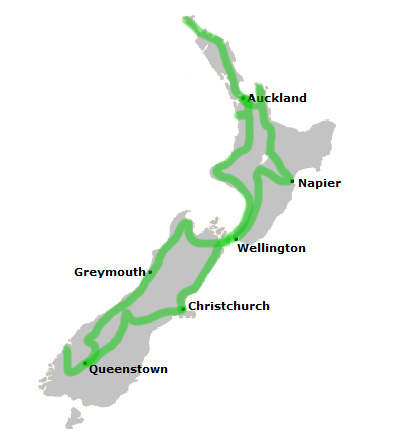
Popular New Zealand Route & Destinations
If you want to see everything New Zealand has to offer this is the best and cheapest itinerary.
You can start in any of the cities labelled on the map above. The route is basically a figure of eight and you will finish in the same city you start in, which is great if you have a return flight. You can however do this route as two circles around each island and fly between the islands. There are two off shoots: from Auckland to the Bay of Islands and Cape Reinga; and from Queenstown to Te Anau and Milford Sound.
Auckland – Bay of Islands – Cape Regina (3-5 days)
Starting in Auckland, check out the small, but beautiful, modern city and it’s stunning harbour islands. Then take the off shoot to the warm weathered Bay of Islands and drive along up 90 mile beach to Cape Regina, New Zealand’s most northern point.
Travel Time: Auckland to Bay of Islands – 3 hrs drive; Bay of Islands to Cape Reinga – 3 hrs drive
Highlights:
Cruise the Bay of Islands and spot dolphins
Swim or surf at Ninety Mile Beach
Walk to Cape Reinga Lighthouse
Sandboarding at Te Paki Sand Dunes
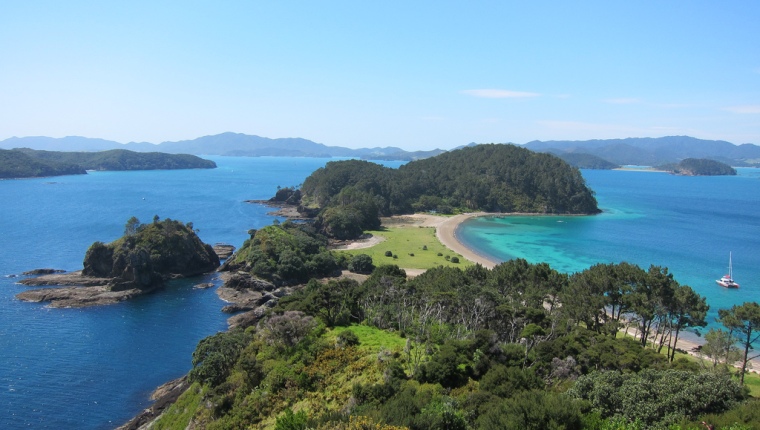 Bay of Islands
Coromandel Peninsula – Rotorua (2-3 days)
After returning and passing through Auckland head East to the Coromandel Peninsula, home to beautiful beaches and warm waters. Next head to Rotorua and it’s geothermal pools, hot springs and geysers.
Travel Time: Auckland to Coromandel – 3 hrs drive; Coromandel to Rotorua – 3.5 hrs drive
Highlights:
Cathedral Cove coastal walk
- Kaituna river white water rafting
Hot Water Beach natural springs
Maori cultural performances and hangi dinners
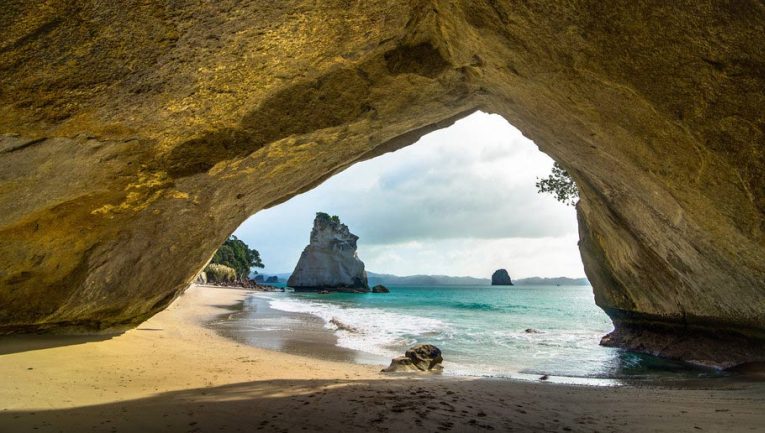 Cathedral Cove, Coromandel
Lake Taupo – Napier (optional) – Tongariro National Park (2-4 days)
Go South and visit New Zealand’s largest Lake (Taupo) then head further East to Napier (optional). Cut back towards Lake Taupo, but this time to the South of the lake and Tongariro National Park – one of the best day walks in the world and body double to Lord of the Rings’ Mt Doom.
Travel Time: Rotorua to Taupo – 1 hr drive; Taupo to Napier – 2 hrs drive; Napier to Tongariro – 3 hrs drive
Highlights:
Skydiving or kayaking on Lake Taupo
Hawke’s Bay wine tasting (Napier)
Tongariro Alpine Crossing hike
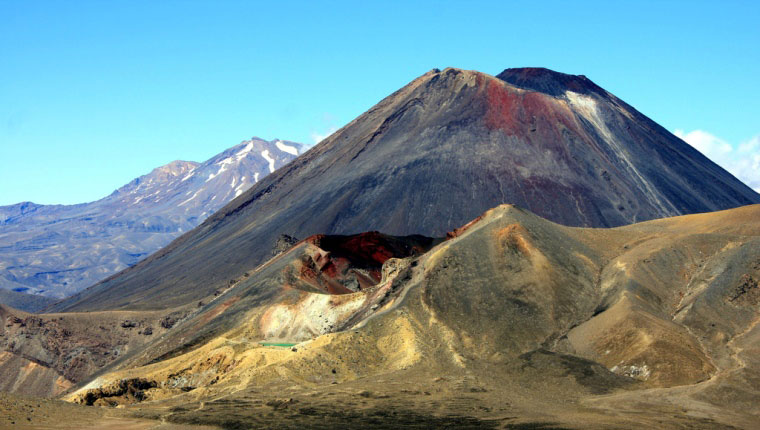 Tongariro National Park
Wellington – Picton (2-3 days)
After stopping in friendly Wellington cross over to the South Island by ferry to Picton through the impressive sounds.
Travel Time: Tongariro to Wellington – 4.5 hrs drive; Wellington to Picton – 3.5 hrs ferry
Highlights:
Te Papa National Museum
Mount Victoria Lookout
Cuba Street cafes and nightlife
Scenic Interislander ferry through Marlborough Sounds
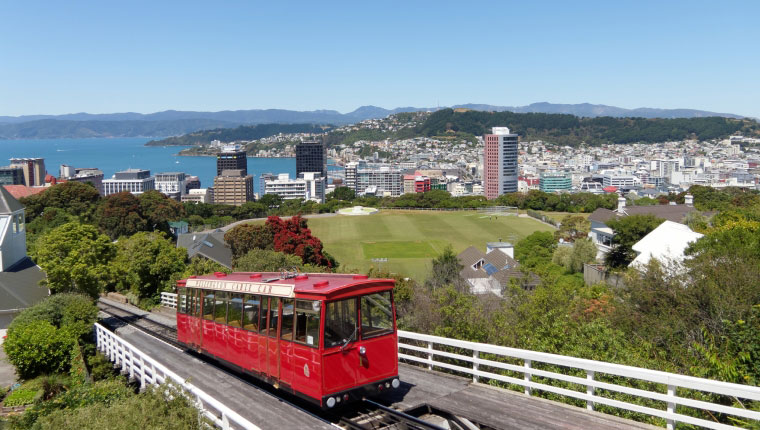 Wellington
Abel Tasman National Park – West Coast (1-3 days)
Head West to Abel Tasman National Park, where you will find lush rainforest, golden beaches and clear waters. Then travel down the West coast.
Highlights:
Kayaking and water taxis in Abel Tasman
Golden sand beaches and clear lagoons
Rainforest hikes
Wildlife spotting – seals, penguins, birds
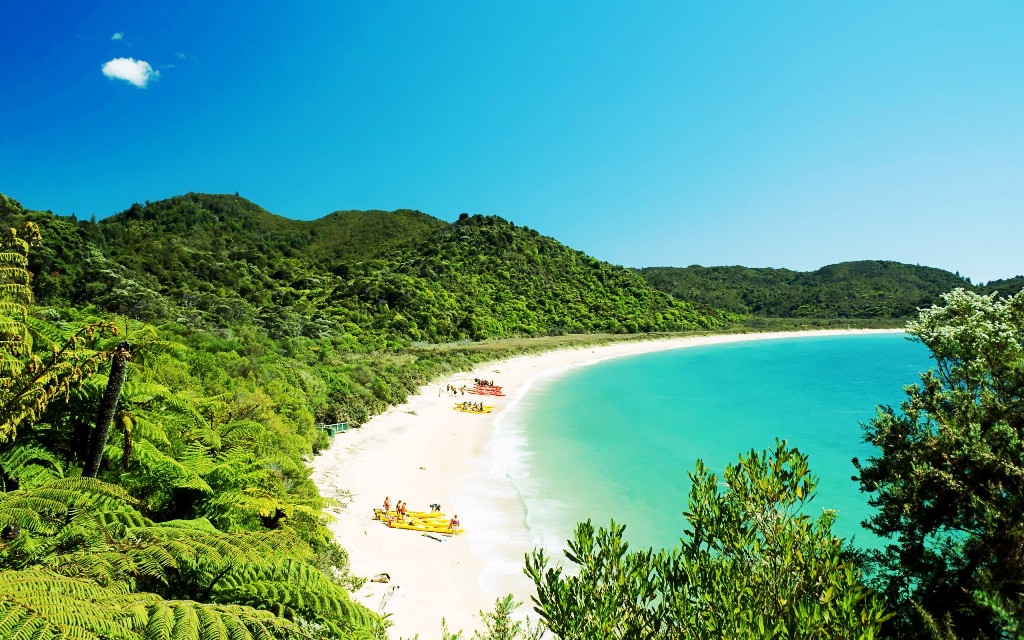 Abel Tasman National Park
Franz Josef & Fox Glaciers – Haast – Wanaka (2-5 days)
Visit the glaciers and Wanaka, which boast some of the most picturesque views in New Zealand.
Travel Time: West Coast to Franz Josef – 4 hrs drive; Franz Josef to Wanaka via Haast Pass – 5 hrs drive
Highlights:
Glacier hikes or heli-tours
Scenic Haast Pass drive
Wanaka’s Roys Peak hike
Lake Wanaka swimming and kayaking
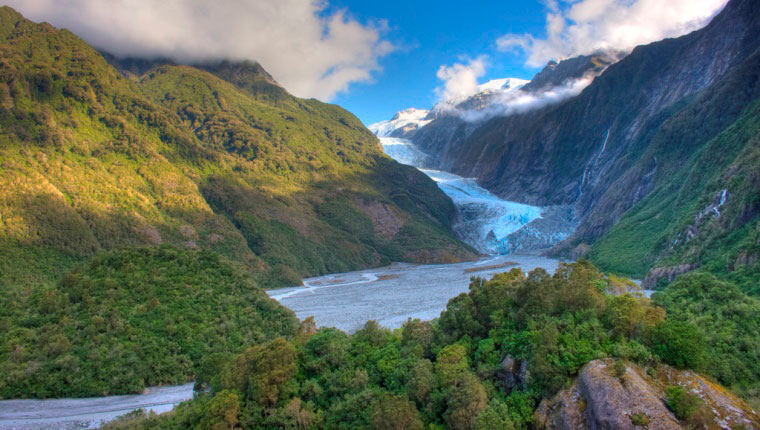 Franz Josef Glacier
Queenstown – Te Anau – Milford Sound (3-5 days)
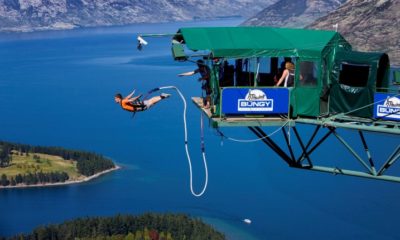
Do something extreme in the adrenaline capital of the world, Queenstown. Then take the off shoot to see the spectacular Milford Sound.
Travel Time: Wanaka to Queenstown – 1.5 hrs drive; Queenstown to Te Anau – 2 hrs drive; Te Anau to Milford Sound – 2 hrs drive
Highlights:
Bungee jumping, jet boating and paragliding in Queenstown
Cruise Milford Sound’s fjords
Hiking in Fiordland National Park
Glowworm caves near Te Anau
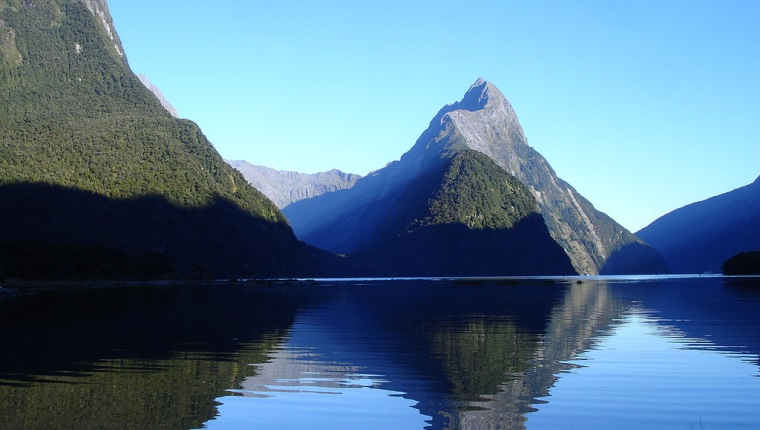 Milford Sound
Queenstown (again, optional) – Mount Cook – Lake Tekapo (2-4 days)
After returning head up Mount Cook, NZ’s tallest mountain, and Lake Tekapo, one of the best start gazing spots in the entire world.
Travel Time: Queenstown to Mount Cook – 3 hrs drive; Mount Cook to Lake Tekapo – 1 hr drive
Highlights:
Hooker Valley Track hike
Stargazing at Lake Tekapo Observatory
Scenic flight over Mount Cook
Lupin flowers (seasonal)
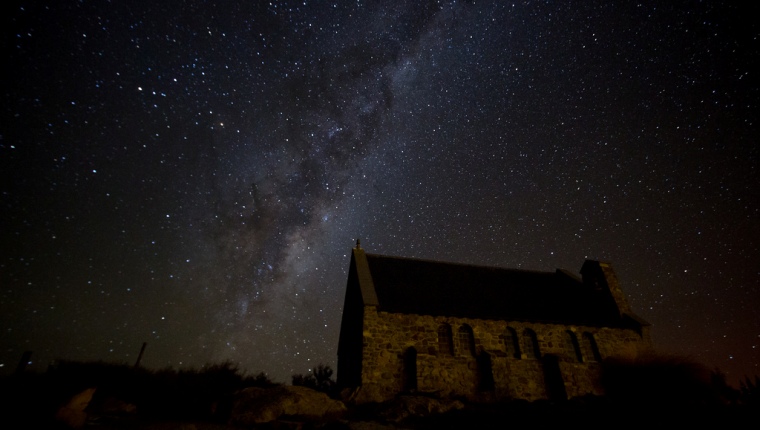 Lake Tekapo
Christchurch – Kaikoura – Picton (2-4 days)
Chirstchurch has been badly damaged by an earthquake in 2011, but is still worth a visit. Complete your journey up the East coast of the South Island in the marine life haven of Kaikoura, where you can see whales, seals and dolphins. Then cross back over at Picton to the North Island on the ferry.
Travel Time: Lake Tekapo to Christchurch – 3 hrs drive; Christchurch to Kaikoura – 2.5 hrs drive; Kaikoura to Picton – 2 hrs drive
Highlights:
Street art in Christchurch
Seal colony viewing
Seafood tasting (Kaikoura crayfish)
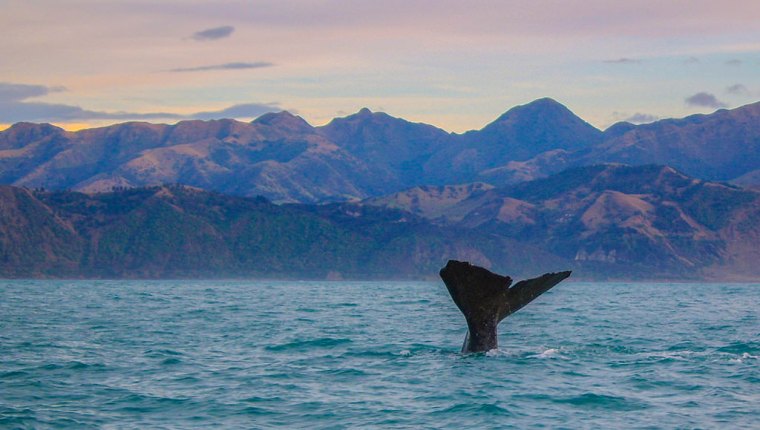 Whale off Kaikoura
Mount Taranaki – Waitomo – Raglan – Auckland (3-7 days)
Back on the North Island, this time visit the West coast on your route back up to Auckland, stopping at Mount Taranaki, the Waitomo glow worm caves and the laidback town of Raglan.
Travel Time: Picton to Wellington – 3.5 hrs ferry; Wellington to Mount Taranaki – 5 hrs drive; Taranaki to Waitomo – 3 hrs drive; Waitomo to Raglan – 1.5 hrs drive; Raglan to Auckland – 2 hrs drive
Highlights:
Mount Taranaki hiking trails
Waitomo glowworm caves
Surfing in Raglan
Auckland harbour views
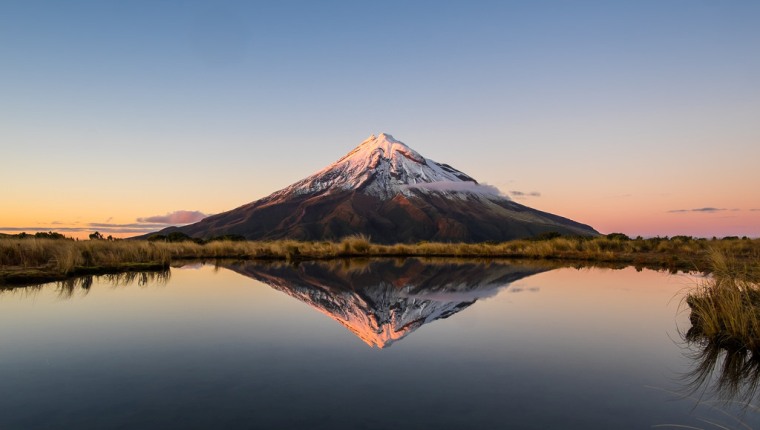 Mount Taranaki
New Zealand if Short on Time Or Budget
(10 days to 3 weeks)
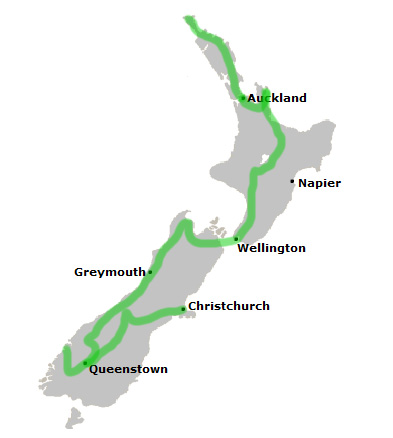
Begin in either Auckland or Christchurch. If you start in Auckland begin with the optional off shoot to the Bay of Islands. Then after returning and passing through Auckland head East to the Coromandel Peninsula and Rotorua. Go South and visit New Zealand’s largest Lake (Taupo) and then further South, Tongariro National Park.
After stopping in Wellington cross over to the South Island by ferry. Head West to Abel Tasman National Park, then travel down the West Coast, visiting the glaciers and Wanaka. Take the off shoot from Queenstown to see the spectacular Milford Sound. After returning head up to Christchurch via Mount Cook and Lake Tekapo.
Extended Stay On The North Island (2-4 weeks)
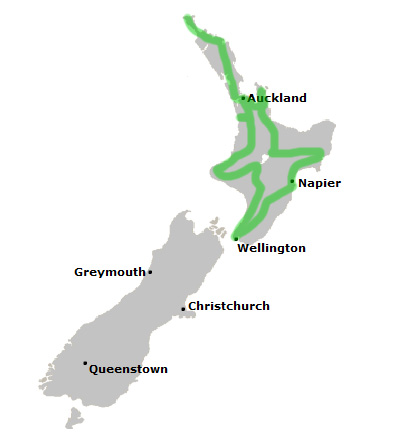
Start and finish in either Auckland or Wellington. If you start in Auckland begin with the off shoot to the Bay of Islands. Then after returning and passing through Auckland head East to the Coromandel Peninsula and Rotorua.
Go South and visit New Zealand’s largest Lake (Taupo) then head to the East coast town of Gisborne. Head down to Napier along Hawke Bay and then onto Wellington (you can also head along the North coast from Rotorua to Gisborne, then cut back to Lake Taupo from Napier and then go onto Wellington).
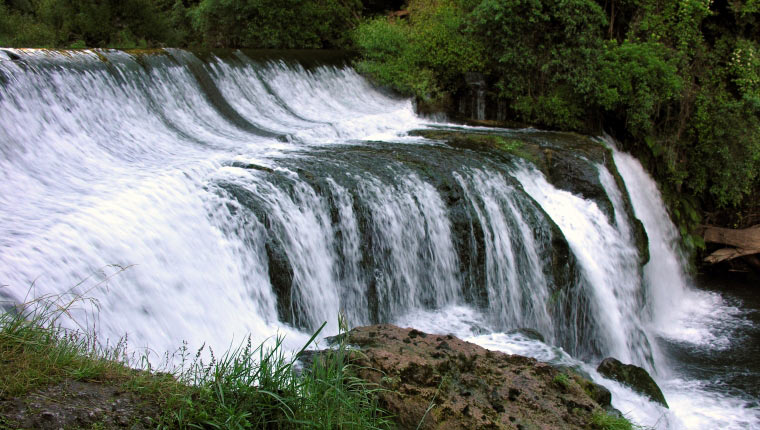 Maraetotara Falls, Hawkes-Bay
Travel back North via Tongariro National Park, then move over to the West coast on your route back up to Auckland stopping at Mount Taranaki, Waitomo and the laidback town of Raglan.
Extended Stay On The South Island (2-4 weeks)
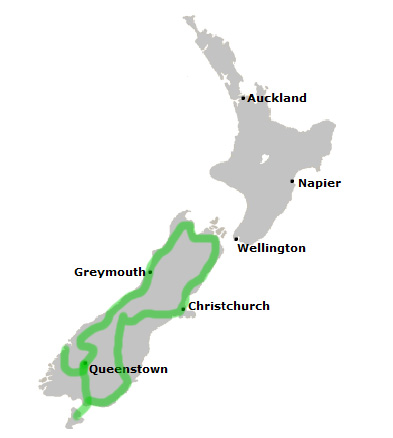
Begin and end in either Queenstown or Christchurch. If you begin in Queenstown head to Milford Sound and Te Anau first. Then head to very South of New Zealand and visit Invercargill and if you wish take the ferry from Bluff over to Stewart Island. Go East along the coast to Dunedin then cut back inland to take the route to Christchurch via Mount Cook and Lake Tekapo.
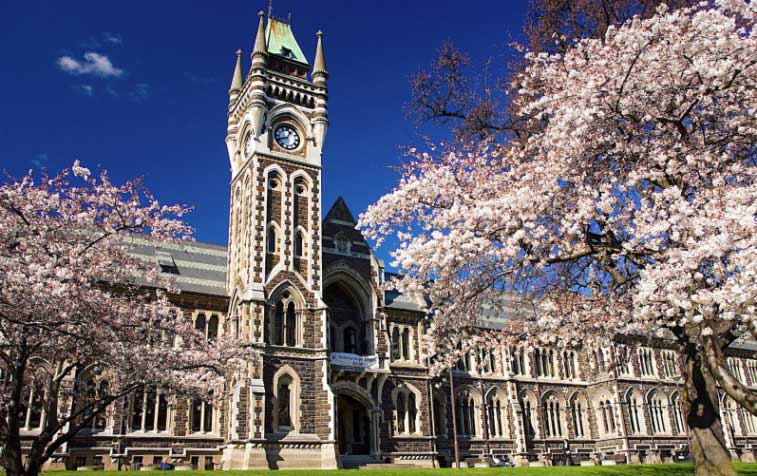 University Of Otago, Dunedin
After visiting Kaikoura and Picton on the East coast head over to Abel Tasman National Park on the West coast. Finally travel down the West coast, visiting the glaciers and Wanaka before arriving back in Queenstown.
You may wish to consider taking the TranzAlpine train between Christchurch and Greymouth and skip Picton and Kaikoura.
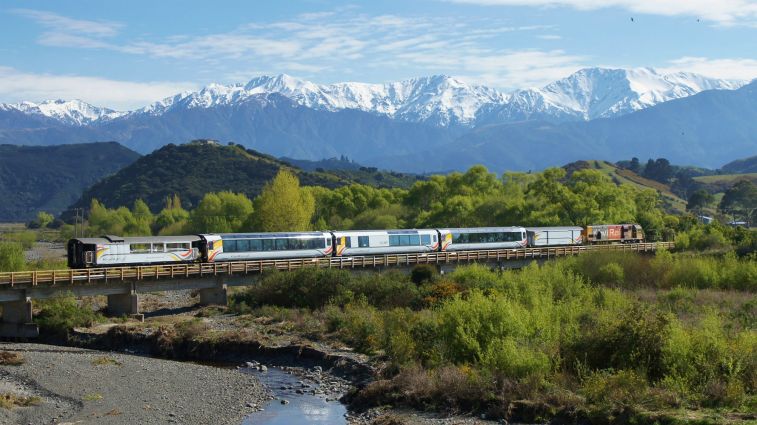
TranzAlpine train
Best Time to Visit New Zealand
New Zealand is a year-round destination, but the best time to visit depends on what you want to do and how much you want to spend. Use the guide below to match seasons to activities, avoid crowds, and plan smarter.
Quick Take
- Overall best months: October to November and March to April for mild weather, lower prices, and smaller crowds.
- Hiking and Great Walks: October to April. Peak track conditions are December to March.
- Skiing and snowboarding: July to September in Queenstown, Wanaka, Mt Hutt and Ruapehu.
- Cheapest travel: May to June and September outside school holidays.
Seasons at a Glance
Summer (December to February)
- Pros: Warmest temps, long daylight hours, best for beaches, kayaking, alpine day hikes.
- Cons: Highest prices and busiest trails. Book accommodation, ferries and activities well in advance.
Autumn (March to May)
- Pros: Clear skies, settled weather, golden foliage in Central Otago, fewer crowds, good hiking conditions.
- Cons: Shortening days and cooler nights, especially in the South Island.
Winter (June to August)
- Pros: Best for snow sports, dramatic alpine scenery, hot pools, off-peak deals in many regions.
- Cons: Cold in the South Island, alpine road closures possible, some hikes require winter gear.
Spring (September to November)
- Pros: Waterfalls in full flow, wildflowers, newborn wildlife, shoulder-season prices.
- Cons: Weather can change quickly. Pack layers and a rain shell.
North Island vs South Island Weather
- North Island: Generally milder and more humid. Best for surfing, geothermal areas, and city breaks year-round.
- South Island: Colder winters and bigger mountain weather swings. Best for alpine scenery, glaciers, snow sports, and starry skies.
Best Time by Activity
- Great Walks and day hiking: Late October to April. For cooler temps and fewer people, try October to November or March to April.
- Beaches and water activities: December to March for warm sea temps in Northland, Coromandel and Abel Tasman.
- Whale watching (Kaikoura): Year-round, with frequent sightings most months.
- Milford Sound cruises: Year-round. After rain the waterfalls are spectacular.
- Stargazing (Tekapo, Aoraki): April to September for the clearest, longest nights.
No matter when you choose to visit, New Zealand’s landscapes, friendly locals, and endless adventure opportunities make it a destination worth the journey. By aligning your trip with the best season for your interests, whether that is hiking, skiing, road-tripping, or simply soaking up stunning views, you will get the most from your time and money. Plan ahead, stay flexible, and you will find New Zealand rewarding in every season.



By adding us a preferred source you'll see Backpacker Advice more often in your Google searches.