





How To Travel South America Without Flying

Forget expensive flights and cramped airports. South America offers some of the world’s most epic overland travel routes, where the journey truly becomes the destination. Having spent six months traversing this incredible continent by bus, boat, and train, I can tell you that overland travel isn’t just cheaper and infinitely more rewarding – it’s also dramatically better for the environment.
Why Choose Overland Travel?
After completing the full South American circuit without setting foot on a plane, I discovered that overland travel offers something flights never can: genuine connection to the landscape and people. You’ll witness the dramatic shift from Colombian coffee plantations to Bolivian salt flats, experience spontaneous conversations with locals during 12-hour bus journeys, and stumble upon hidden gems that most tourists never see.
Zero-Waste Backpacking Tips: A Guide to Sustainable Travel
The financial benefits are substantial too. My entire six-month journey cost less than what many spend on return flights to South America.
The Grand South American Circuit: Planning Your Route
The Classic Clockwise Route (6-12 months)
Starting in Colombia and moving clockwise offers the best weather patterns and natural progression of experiences:
Colombia → Ecuador → Peru → Bolivia → Chile → Argentina → Uruguay → Brazil
This route aligns with seasonal weather patterns and gradually acclimatises you to different altitudes and climates.
The Counter-Clockwise Alternative
Some travellers prefer starting in Brazil and moving west, which works particularly well if you’re arriving during Brazil’s summer (December-March).
Country-by-Country Breakdown
Colombia: Your Gateway to South America
Entry Points: Most overland travellers enter via Cartagena (if coming from Central America) or fly into Bogotá then immediately switch to ground transport.
Must-Visit Destinations:
- Cartagena’s colonial old town
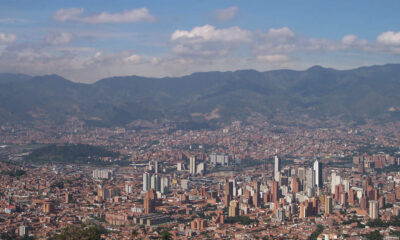
- Medellín’s transformation story and nightlife
- Cocora Valley’s towering wax palms
- Tayrona National Park’s pristine beaches
- Salento’s coffee culture
Transport Options:
- Long-distance buses: Comfortable and reliable, expect 8-12 hours between major cities
- Colectivos: Shared minivans for shorter routes
- Chivas: Colourful party buses in rural areas
Costs: Budget £25-35 per day including accommodation, food, and transport.
Border Crossing: Colombia to Ecuador via Ipiales-Tulcán is straightforward. The bus journey takes 14 hours from Bogotá to Quito (£20-25).
Ecuador: Compact Adventures
Ecuador’s small size makes it perfect for thorough exploration without massive transport costs.
Must-Visit Destinations:
- Quito’s UNESCO World Heritage centre
- Otavalo’s indigenous markets
- Baños for adventure sports and hot springs
- Cuenca’s colonial architecture
- Montañita for surfing and beach life
Transport Highlights:
- The entire country is manageable by bus
- Longest journey: 8 hours coast to mountains
- Local buses cost £1-3 for most routes
Unique Experience: Take the Devil’s Nose railway from Alausi – one of the world’s most dramatic train rides.
Costs: £20-30 per day total budget.
Border Crossing: Ecuador to Peru via Huaquillas-Aguas Verdes. The journey from Guayaquil to Lima takes 18-20 hours by bus (£25-30).
Peru: The Backpacker’s Playground
Peru offers the continent’s most developed backpacker infrastructure alongside incredible diversity.
Must-Visit Destinations:
- Lima’s culinary revolution and historic centre
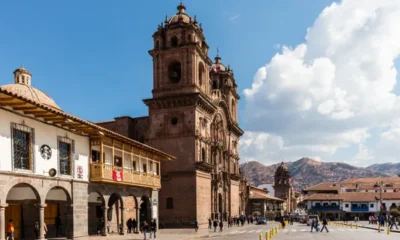
- Cusco and the Sacred Valley
- Machu Picchu (book trains in advance)
- Arequipa and Colca Canyon
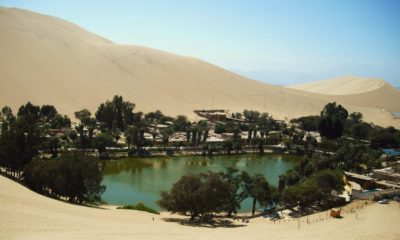
- Huacachina Oasis for sandboarding
- Lake Titicaca’s floating islands
Transport Gems:
- Cruz del Sur and Oltursa offer premium bus services with beds
- Local combis for short routes
- Boats across Lake Titicaca to Bolivia
- The Hiram Bingham luxury train to Machu Picchu (splurge option)
Budget Reality: £25-40 per day depending on Machu Picchu choices.
Pro Tip: Buy a hop-on-hop-off bus pass from companies like Peru Hop for flexibility between major destinations.
Border Crossing: Multiple options to Bolivia, but Puno to Copacabana via Lake Titicaca is most scenic (3-4 hours total with boat crossing).
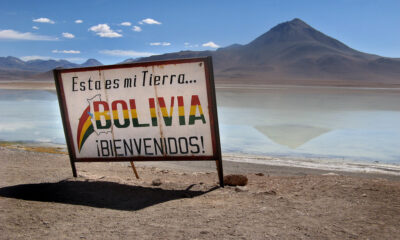
Bolivia: Raw Adventure
Bolivia rewards intrepid travellers with unmatched natural wonders and rock-bottom prices.
Unmissable Experiences:
- Salar de Uyuni salt flats tour (3-4 days)
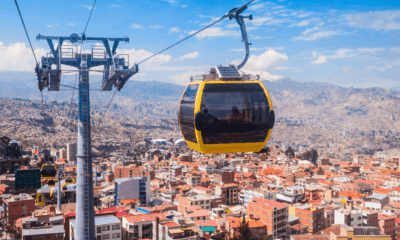
- La Paz‘s chaotic energy and witches’ markets
- Death Road mountain biking
- Sucre’s white colonial beauty
- Potosí’s silver mine tours
Transport Adventures:
- Buses are basic but cheap (£5-15 for long routes)
- The salt flats tour includes transport and accommodation
- Shared taxis for flexibility
- Some of South America’s most spectacular mountain passes
Costs: Incredibly budget-friendly at £15-25 per day.
Border Crossing: Bolivia to Chile via Uyuni salt flats tours often include border transport. Otherwise, buses run from La Paz to San Pedro de Atacama (10-12 hours, £15-20). Beware of corruption at some Bolivia land borders.
Chile: Long and Varied
Chile’s extreme length means choosing your route carefully to avoid backtracking.
Strategic Route Planning:
- Northern route: Atacama Desert and San Pedro
- Central route: Santiago, Valparaíso, wine regions
- Southern route: Lake District and Patagonia
Highlights by Region:
- San Pedro de Atacama: Moon Valley, geysers, flamingo reserves
- Santiago: Urban sophistication and nearby wine tours
- Valparaíso: Bohemian hillside city with street art
- Lake District: Volcanoes, hot springs, and German-influenced culture
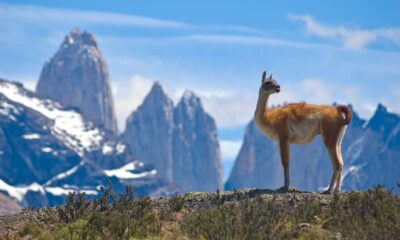
- Patagonia: Torres del Paine (though this requires significant detour south)
Transport Reality:
- Excellent long-distance bus network
- Journey from north to Santiago: 20-24 hours (£30-50)
- Semi-cama and cama buses offer sleeping berths
Costs: More expensive than northern neighbours: £35-50 per day.
Border Crossing: Multiple options to Argentina. Most popular routes are through the Lake District or via Santiago to Mendoza (7 hours, £20-25).
Argentina: Vast and Varied
Argentina’s size requires strategic planning to maximise time and minimise costs.
Essential Destinations:
- Buenos Aires: Tango, steak, and European elegance
- Mendoza: World-class wine region
- Salta: Colonial charm and high-altitude beauty
- Bariloche: Alpine lakes and chocolate shops
- Ushuaia: End of the world (if doing full Patagonia)
Transport Strategies:
- Overnight buses are comfortable and save accommodation costs
- Buenos Aires to Mendoza: 14 hours (£25-35)
- Buenos Aires to Salta: 18 hours (£35-45)
- You may have to consider flying for places in the extreme South like Ushuaia, unless you have a lot of time.
Costs: Mid-range pricing: £30-45 per day.
Currency Tip: Take US dollars for better exchange rates on the parallel market.
Border Crossing: Argentina to Uruguay via Colonia del Sacramento by ferry from Buenos Aires (3 hours, £25-40).
Uruguay: The Overlooked Gem
Uruguay might be South America’s smallest country, but it punches above its weight.
Compact Highlights:
- Montevideo’s old town and weekend markets
- Punta del Este’s glamorous beaches
- Colonia del Sacramento’s cobblestone streets
- Punta del Diablo’s laid-back surf culture
Transport Ease:
- Everything is reachable within 4 hours by bus
- Excellent road network
- Affordable local buses (£3-8 for most routes)
Costs: Similar to Argentina: £30-40 per day.
Border Crossing: Multiple options to Brazil. Montevideo to Porto Alegre takes 12 hours by bus (£20-25), or cross at smaller border towns like Chuy.
Brazil: The Grand Finale
Brazil’s continental size means focusing on specific regions rather than attempting everything.
Recommended Brazil Route:
- Porto Alegre or São Paulo (entry point)
- Rio de Janeiro: Iconic beaches and Christ the Redeemer
- São Paulo: Urban culture and nightlife
- Brasília: Modernist architecture (optional detour)
- Salvador: Afro-Brazilian culture and colonial centre
- Recife and Olinda: Northeastern charm
- Back to Colombia via Venezuela (check current political situation) or fly out
Best Party Hostels in Rio de Janeiro
Transport Network:
- Excellent long-distance bus system
- Journey from São Paulo to Rio: 6 hours (£15-20)
- São Paulo to Salvador: 22 hours (£40-60)
- Brazil is massive, so you may consider internal flights for extreme distances if low on time.
Costs: £35-55 per day depending on region and season.
Practical Transport Guide
Bus Travel Mastery
Booking Strategy:
- Book premium overnight routes in advance
- Walk-up tickets fine for shorter daytime routes
- Download bus company apps for easy booking
- Compare prices at bus terminals
Comfort Levels:
- Económico: Basic seats, stops frequently
- Semi-cama: Reclining seats, more legroom
- Cama: Fully flat beds for overnight journeys
- Premium services include meals and entertainment
Border Crossing Essentials
Documentation:
- Passport with 6+ months validity
- Yellow fever vaccination certificate (required for some borders)
- Onward travel proof (rarely checked but helpful)
- Sufficient blank passport pages
Common Delays:
- Peak season bottlenecks (December-February)
- Lunch hour closures (12-2 PM at smaller crossings)
- Weekend processing slowdowns
Money Matters
Budget Breakdown (per day, including accommodation):
- Colombia: £25-35
- Ecuador: £20-30
- Peru: £25-40
- Bolivia: £15-25
- Chile: £35-50
- Argentina: £30-45
- Uruguay: £30-40
- Brazil: £35-55
Total Trip Costs:
- 3 months: £2,500-3,500
- 6 months: £4,500-6,500
- 12 months: £8,000-12,000
Money-Saving Tips:
- Cook your own meals when possible
- Choose overnight buses to save accommodation
- Stay in hostels with kitchen facilities
- Take advantage of free walking tours
- Use apps like Couchsurfing for occasional free accommodation
Seasonal Considerations
Best Times by Region
Northern Countries (Colombia, Ecuador, Northern Peru):
- Year-round travel possible
- Avoid extreme rainy season (April-May, October-November)
Central Andes (Peru, Bolivia):
- Dry season: May-September (best for trekking)
- Rainy season: December-March (some roads impassable)
Southern Cone (Chile, Argentina, Uruguay):
- Summer: December-March (essential for Patagonia)
- Winter: June-August (cold but fewer crowds)
Brazil:
- Northeast: Year-round warm
- Southeast: Avoid rainy summer (December-February)
- South: Summer best for beach regions
Cultural Immersion Opportunities
Language Learning
Overland travel provides constant Spanish and Portuguese practice. Consider:
- Week-long Spanish schools in Guatemala (pre-trip)
- Cusco Spanish schools
- Portuguese lessons in Brazil
- Language exchange meetups in major cities
Volunteering
Extended overland travel allows meaningful volunteer experiences:
- Environmental projects in cloud forests
- Teaching English in rural communities
- Hostel work in exchange for accommodation
- Construction projects through Workaway
Local Experiences
The slow pace of overland travel enables deeper cultural engagement:
- Stay with indigenous families on Lake Titicaca
- Learn tango in Buenos Aires neighbourhood milongas
- Join football matches in Brazilian beach towns
- Participate in local festivals and celebrations
Health and Safety
Altitude Preparation
The Andean route involves significant altitude changes:
- Gradual ascent when possible
- Coca tea and leaves for altitude sickness
- Avoid alcohol first few days at altitude
- Consider altitude sickness medication
Common Health Concerns
- Traveller’s diarrhoea: Inevitable but manageable
- Yellow fever: Vaccination required for some regions
- Zika/dengue: Insect repellent essential in tropical areas
- Sun exposure: High altitude sun is intense
More on staying healthy here.
Safety Considerations
- Petty theft more common than violent crime
- Avoid displays of expensive equipment
- Use hostel safes for valuables
- Stay informed about local political situations
- Trust your instincts about situations and people
More on staying safe here.
Conclusion
Overland travel through South America isn’t just a cheaper alternative to flying; it’s a transformative journey that connects you deeply with the continent’s incredible diversity. The 18-hour bus rides that seem daunting become opportunities for reflection and unexpected friendships. The border crossings transform from bureaucratic necessities into cultural transitions you feel in real-time.
After completing this journey, you’ll return home not just with incredible photos and stories, but with a profound understanding of South America that only comes from experiencing the gradual transitions between countries, climates, and cultures. The young backpacker who boards that first bus in Cartagena will be vastly different from the seasoned traveller who eventually flies home from São Paulo.
The infrastructure exists, the routes are well-established, and the adventure of a lifetime awaits. All you need is time, patience, and the courage to embrace the unknown. South America’s overland routes offer something increasingly rare in our connected world: the chance to truly disconnect, slow down, and experience travel as our ancestors did – as a journey rather than just a destination.
Pack light, bring an open mind, and prepare for the trip that will redefine your understanding of travel itself.



By adding us a preferred source you'll see Backpacker Advice more often in your Google searches.