


Asia
Best Moderate Hiking Routes in Nepal: Epic Adventures Without the Extremes

Nepal might be famous for Everest Base Camp and other gruelling high-altitude treks, but you don’t need to push your limits to experience the magic of the Himalayas. As someone who’s spent months exploring Nepal’s trails with nothing but a backpack and a sense of adventure, I can tell you that some of the most rewarding experiences come from the more accessible routes.
Whether you’re a first-time trekker or simply prefer to enjoy stunning mountain views without the extreme altitude sickness and weeks of commitment, these routes offer the perfect balance of adventure and accessibility. Here are the best moderate hiking routes in Nepal that won’t leave you gasping for air or your wallet empty.
The Perfect Moderate Treks (3-5 Days)
1. Poon Hill Trek – The Gateway to Himalayan Magic
Duration: 3-4 days
Max Altitude: 3,210m
Difficulty: Easy to moderate
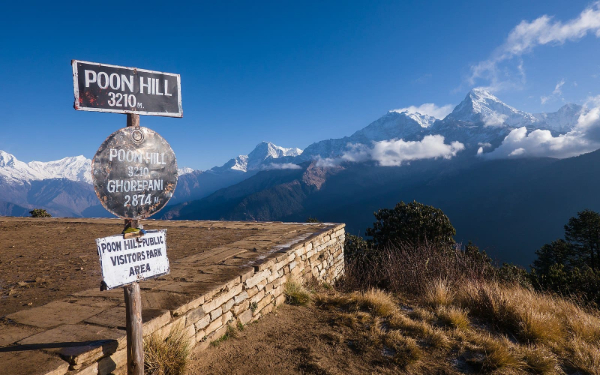
Poon Hill is often called the “gateway trek” to the Himalayas, and for good reason. This short but spectacular route takes you through charming Gurung villages, rhododendron forests, and up to one of Nepal’s most famous sunrise viewpoints.
I’ll never forget standing at Poon Hill at 5:30am, watching the first rays of sunlight hit the Annapurna and Dhaulagiri ranges. The golden light creeping across the peaks whilst you’re wrapped in a borrowed blanket, sipping overpriced but essential hot tea, is pure magic.
The trek starts from Nayapul (easily reached from Pokhara) and takes you through Tikhedhunga, Ghorepani, and back via Ghandruk. The stone steps between Tikhedhunga and Ulleri will test your legs, but the cosy teahouses and warm dal bhat make every evening worthwhile.
Why it’s perfect for backpackers: Short enough to fit into any itinerary, well-established teahouse network, and gives you a proper taste of Himalayan trekking without major commitment.
2. Ghandruk Village Trek
Duration: 3-4 days
Max Altitude: 2,012m
Difficulty: Easy
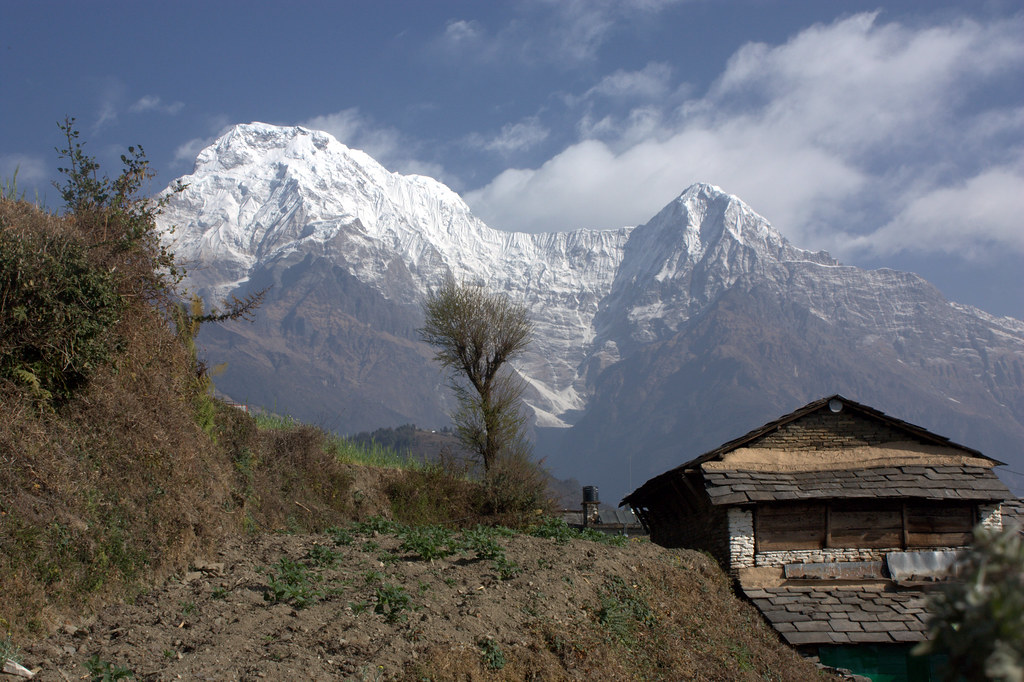
This cultural gem takes you deep into traditional Gurung territory with spectacular Annapurna South and Machhapuchhre (Fishtail) views. Ghandruk village itself is a beautifully preserved settlement where you can experience authentic mountain culture.
During my stay, I joined a local family for their evening meal and learned to make traditional Gurung bread. The hospitality was incredible, and the stories shared over chang (local rice wine) gave me insights into mountain life that no guidebook could provide.
The trek can be combined with Poon Hill or done as a standalone loop from Nayapul. The paths are well-maintained, and you’ll walk through terraced fields, bamboo forests, and traditional villages where life moves at a wonderfully slower pace.
Pro tip: Visit during October-November when the rice terraces are golden and the weather is perfect.
3. Khopra Danda Trek
Duration: 4-5 days
Max Altitude: 3,660m
Difficulty: Moderate
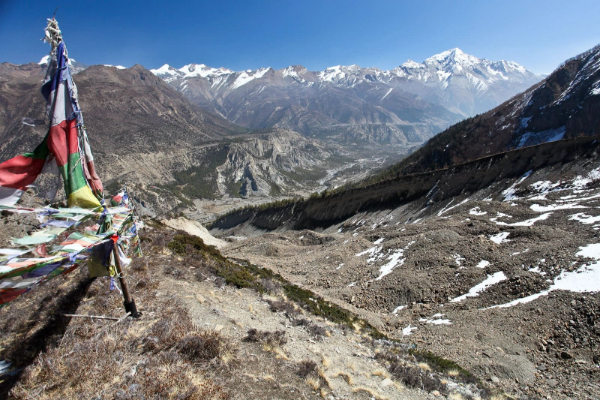
Often called the “alternative to Poon Hill,” Khopra Danda offers similar mountain views but with far fewer crowds. This community-based trek was developed to provide income to local villages whilst giving trekkers a more authentic experience.
The highlight is reaching Khopra Ridge, where you’re surrounded by a spectacular amphitheatre of peaks including Dhaulagiri, Annapurna South, and Nilgiri. I spent an entire afternoon here just watching clouds drift between the peaks, feeling wonderfully small in the best possible way.
From Khopra, you can take a day trip to Khayer Lake (4,600m) if you’re feeling adventurous, but the main trek stays comfortably below the extreme altitude threshold.
What makes it special: Community lodges run by local families, fewer crowds than popular routes, and genuine cultural immersion.
4. Langtang Valley Trek (Kyanjin Gompa)
Duration: 5-7 days
Max Altitude: 3,870m
Difficulty: Moderate
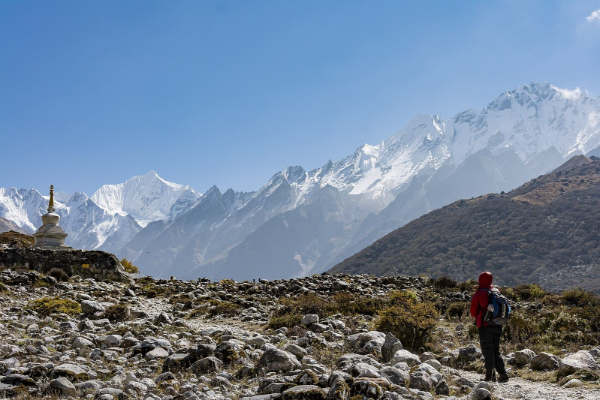
The Langtang Valley, just north of Kathmandu, offers incredible mountain scenery without the crowds of the Everest or Annapurna regions. This trek takes you through subtropical forests, Tamang villages, and up to the beautiful Kyanjin Gompa monastery.
After the 2015 earthquake, this region needed visitors more than ever, and I was struck by the resilience and warmth of the local communities. The cheese factory at Kyanjin Gompa produces some of the best yak cheese you’ll ever taste, and the monastery itself provides a peaceful counterpoint to the dramatic mountain backdrop.
The valley walk is relatively gentle, following the Langtang River, and the maximum altitude is manageable for most trekkers. From Kyanjin Gompa, you can take day hikes to Kyanjin Ri (4,773m) or Tserko Ri (5,000m) if you want to push higher, but these are optional.
Best for: Trekkers wanting mountain views without the Everest/Annapurna circus, and those interested in Tibetan Buddhist culture.
5. Gosainkunda Lake Trek
Duration: 4-5 days
Max Altitude: 4,380m
Difficulty: Moderate to challenging
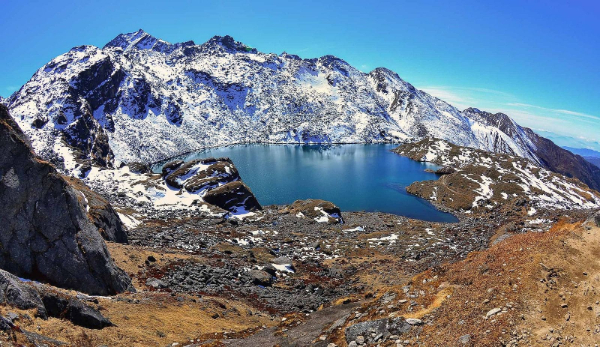
This sacred pilgrimage route takes you to a series of holy alpine lakes in the Langtang region. Gosainkunda Lake holds special significance for both Hindus and Buddhists, and during the full moon festival in August, thousands of pilgrims make this journey.
The trek involves a steep climb from Dhunche through rhododendron and bamboo forests to reach the lakes. Standing beside Gosainkunda Lake, surrounded by prayer flags and with snow-capped peaks reflected in the crystal-clear water, feels deeply spiritual regardless of your beliefs.
The altitude does push the boundaries of “moderate,” but the approach is gradual enough for most reasonably fit trekkers. The sense of accomplishment when you reach the lakes makes every step worthwhile.
Important note: This trek reaches higher altitude than others on this list, so proper acclimatisation is essential.
6. Helambu Circuit
Duration: 4-6 days
Max Altitude: 3,510m
Difficulty: Easy to moderate
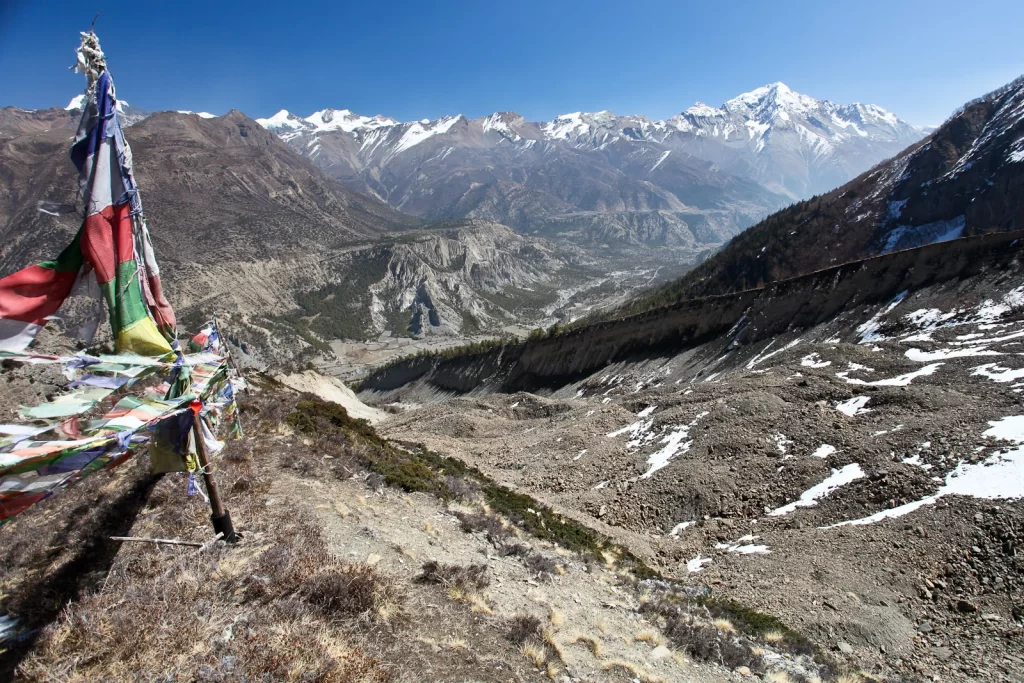
The Helambu region offers a perfect introduction to Himalayan trekking with beautiful rhododendron forests, traditional Sherpa villages, and decent mountain views. It’s less dramatic than other routes but compensates with rich cultural experiences and accessibility from Kathmandu.
I particularly enjoyed staying in Tarkeghyang village, where the monastery and traditional architecture gave me a glimpse into centuries-old mountain traditions. The locals here are predominantly Sherpa, and their Buddhist culture is beautifully preserved.
The circular route means you don’t retrace your steps, and the relatively low altitudes make it perfect for trekkers concerned about altitude sickness. It’s also possible year-round, unlike many higher-altitude routes.
Perfect if: You have limited time in Nepal, want cultural immersion, or are testing your trekking legs before attempting longer routes.
7. Mardi Himal Base Camp Trek
Duration: 4-5 days
Max Altitude: 4,500m
Difficulty: Moderate
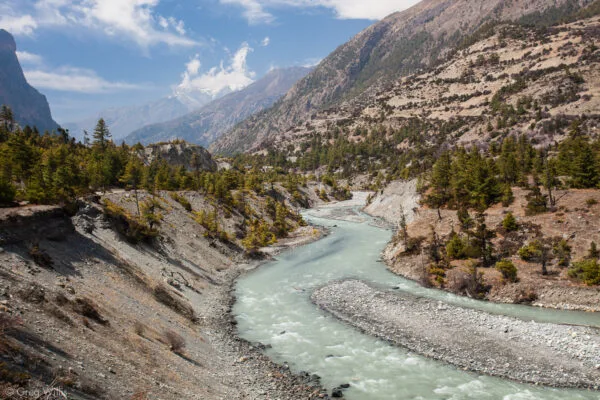
This relatively new trekking route offers incredible close-up views of Machhapuchhre (Fishtail Mountain) and the Annapurna range. The trek gained popularity recently as an alternative to busier routes, offering pristine mountain experiences with excellent teahouse facilities.
The final approach to Mardi Himal Base Camp is spectacular, with 360-degree mountain views that rival any in Nepal. I’ll admit the last day is challenging, with a steep climb through changing vegetation zones, but reaching the viewpoint feels like discovering your own secret corner of the Himalayas.
What impressed me most was how quickly you transition from subtropical forests to alpine meadows and finally to the stark beauty of high-altitude landscapes.
Why choose this: Relatively uncrowded, excellent mountain views, and a sense of adventure without extreme difficulty.
For the Time-Pressed: Shorter Options (1-3 Days)
Nagarkot to Changunarayan Day Hike
This gentle day hike from the hill station of Nagarkot to the ancient temple of Changunarayan offers Himalayan views, traditional villages, and UNESCO World Heritage sites without any overnight trekking. Perfect for testing your hiking legs or if you only have one day to spare.
Sarangkot Sunrise Hike
A pre-dawn hike from Pokhara to Sarangkot viewpoint rewards you with spectacular sunrise views over the Annapurna range. It’s touristy but undeniably beautiful, and you can combine it with paragliding if you’re feeling adventurous.
For the Ambitious: Longer Adventures (7-12 Days)
Annapurna Circuit (Modified Route)
The classic Annapurna Circuit can be modified to avoid the extreme altitude of Thorong La Pass (5,416m) whilst still offering incredible diversity of landscapes and cultures. Stop at Manang or take alternative routes through the lower valleys for a 7-10 day adventure that covers multiple climate zones and cultural regions.
Everest View Trek to Tengboche
For those wanting Everest region experience without the full Base Camp commitment, this 8-10 day trek takes you to Tengboche Monastery with spectacular views of Everest, Lhotse, and Ama Dablam. The altitude reaches around 3,867m, making it challenging but manageable with proper acclimatisation.
Essential Tips for Nepal Trekking
Best seasons: October-November and March-May offer the clearest mountain views and most stable weather.
Budget: Expect to spend £15-25 per day including accommodation, meals, and permits for most moderate treks.
What to pack: Good hiking boots, warm layers, rain gear, and a positive attitude. Most other gear can be bought or rented in Kathmandu or Pokhara.
Permits: Most treks require TIMS cards and area permits. Your guesthouse in Kathmandu or Pokhara can arrange these.
Health: Travel insurance with helicopter evacuation coverage is essential. Altitude sickness can affect anyone above 2,500m.
Final Thoughts
Nepal’s moderate trekking routes offer the perfect balance of adventure, cultural immersion, and stunning mountain scenery without pushing you to dangerous extremes. Whether you choose the classic Poon Hill experience or venture into the quieter valleys of Langtang or Helambu, you’ll discover why Nepal captures the hearts of backpackers worldwide.
The key is choosing a route that matches your fitness level, time constraints, and sense of adventure. Every trek in Nepal offers something special, from sunrise views that bring tears to your eyes to evening conversations with local families that change your perspective on life.
Remember, the best trek is the one you complete safely whilst thoroughly enjoying every moment. The mountains will always be there for future adventures, but the memories you create on these moderate routes will last a lifetime.



By adding us a preferred source you'll see Backpacker Advice more often in your Google searches.