



Visiting Sandakan and Borneo: Wildlife and Adventure Tours

Borneo had been on my bucket list for years, and Sandakan turned out to be the perfect base for experiencing the incredible wildlife that makes this island so special. Located on the northeast coast of Malaysian Borneo in Sabah state, Sandakan is not the prettiest town you will ever visit, but it is the gateway to some of the most extraordinary wildlife encounters in Southeast Asia.
Most backpackers come here for one reason: orangutans. But Borneo offers so much more than that. I spent three weeks exploring Sabah, and honestly, it was one of the highlights of my entire Southeast Asia trip. From watching pygmy elephants cross rivers to diving with sea turtles, tracking proboscis monkeys through mangrove forests, and trekking through some of the oldest rainforest on the planet, Borneo delivers adventure in spades.
Here is everything you need to know about visiting Sandakan and the wider Borneo region, based on my experiences and tips from countless other backpackers I met along the way.
Getting to Sandakan
Most travellers fly into Kota Kinabalu (KK), the capital of Sabah, which has good connections to Kuala Lumpur, Singapore, and other Southeast Asian cities. From KK, you have a few options to reach Sandakan:
Flying: The quickest option at just 40 minutes. AirAsia and Malaysia Airlines run several flights daily, costing around £20-40 if booked in advance. This is the best option if you are short on time.
Bus: The overland route takes 6-7 hours and costs around £8-12. Buses are comfortable enough with air conditioning, though the roads are winding and can be nauseating if you are prone to motion sickness. Several companies run this route, and you can book through your hostel or at the bus terminal.
Shared Van/Minibus: Slightly faster at 5-6 hours and costs around £10-15. These leave when full, so departure times can be unpredictable. You will be crammed in with locals and their shopping, but it is an authentic experience.
I took the bus and honestly wish I had just flown. The journey is scenic for the first hour, then it is just endless palm oil plantations. The time saved by flying is worth the extra few quid.
Some travellers also arrive in Sandakan from Semporna (gateway to Sipadan diving) via a 5-6 hour bus journey, or from Brunei via a combination of buses.
First Impressions of Sandakan
Let me be blunt: Sandakan itself is not a particularly charming town. It is a working port city that feels more functional than beautiful. The waterfront area has been developed with a decent boardwalk, but much of the town is pretty scruffy.
However, Sandakan punches well above its weight when it comes to nearby attractions. Think of it as a base for incredible day trips rather than a destination in itself. Most backpackers spend 1-2 nights in town, do the surrounding tours, and move on.
That said, there are a few things worth seeing in Sandakan itself if you have time to kill.
What to Do in Sandakan Town
Sandakan Heritage Trail
This self-guided walking trail takes you through the town’s historical sites, marked by plaques and information boards. Sandakan was heavily bombed during World War II, so most of the colonial buildings are reconstructions, but the trail gives you a sense of the town’s history as a trading port.
The walk takes about 2-3 hours at a leisurely pace. Pick up a map from the tourist information centre near the waterfront. It is free and gives you something to do if you arrive early or have an afternoon spare.
Puu Jih Shih Buddhist Temple
Located on a hill overlooking Sandakan, this Chinese Buddhist temple is worth visiting for the views alone. The temple itself is colourful and ornate, with various statues and shrines.
Entry is free, though donations are appreciated. You can reach it by taxi (15-20 ringgit) or walk uphill for about 30 minutes from the town centre. Go in the late afternoon for sunset views over the bay.
Central Market and Waterfront
The central market is worth a wander in the morning when it is most active. You will find fresh fish, exotic fruits, and local street food. The second floor has cheap local restaurants serving Filipino and Malay dishes for 5-10 ringgit.
The waterfront boardwalk is pleasant for an evening stroll, with several seafood restaurants offering fresh catches. Prices are reasonable by Malaysian standards, though not as cheap as mainland Asia.
The Main Attractions: Wildlife Experiences Near Sandakan
This is why you are really here. The wildlife experiences around Sandakan are genuinely world-class, and for many backpackers, this is the highlight of their entire Borneo trip.
Sepilok Orangutan Rehabilitation Centre
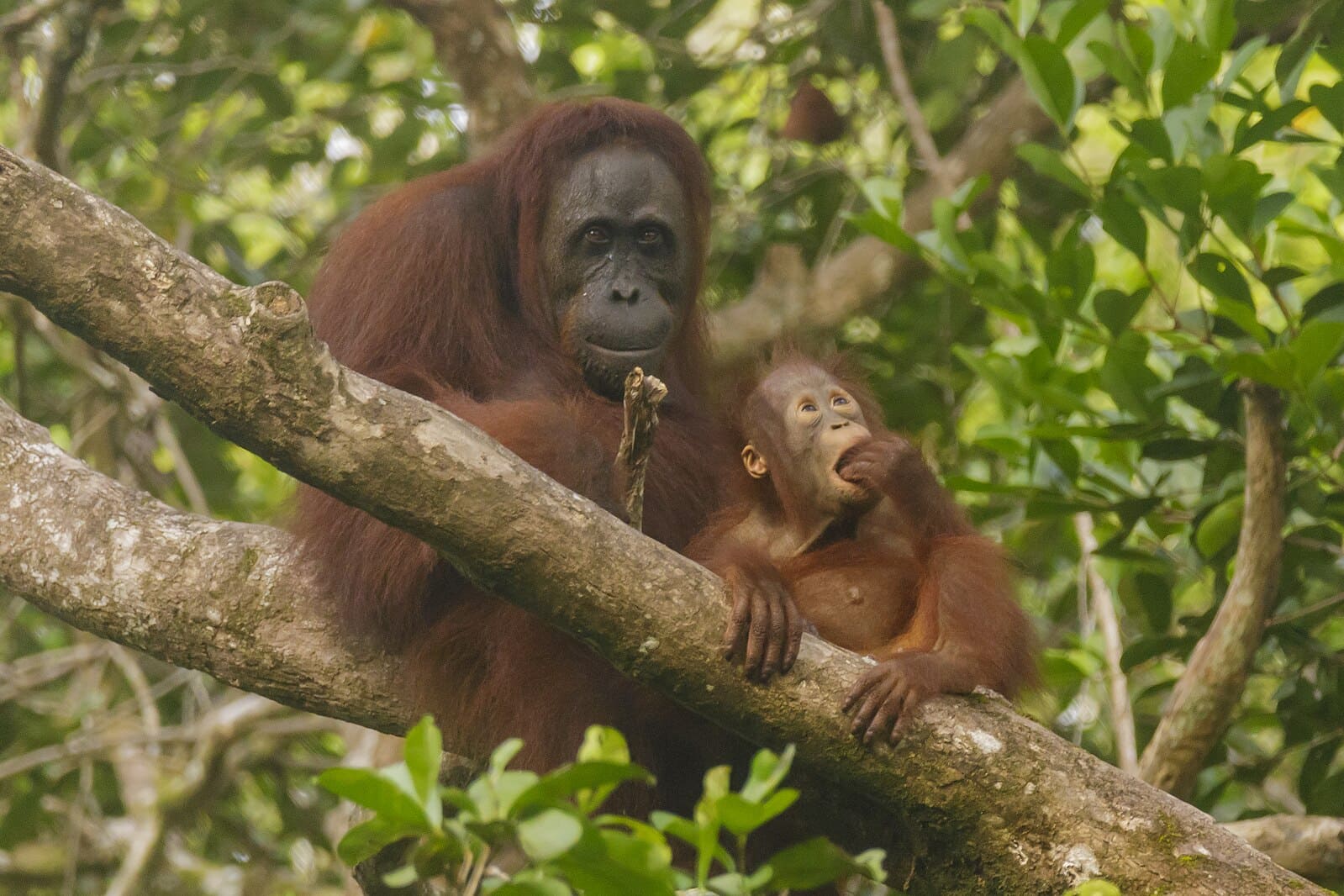
This is the most popular attraction near Sandakan and for good reason. Sepilok rescues orphaned and injured orangutans and rehabilitates them for release back into the wild. You visit during feeding times when orangutans come to feeding platforms in the rainforest.
Feeding times are 10am and 3pm daily. The centre is about 25km from Sandakan town, and most people visit on a half-day tour or catch a local bus.
Entry costs 30 ringgit for foreigners (about £6), which is reasonable considering where the money goes. You walk along boardwalks through the forest to reach viewing platforms where rangers put out fruit and milk. Orangutans swing through the trees to feed, often with babies clinging to them.
I went to the 10am feeding and saw about eight orangutans, including a mother with a baby that hung around for ages. The experience lasts about 30-45 minutes depending on how long the orangutans stick around. Sometimes they do not show up at all if there is plenty of fruit in the forest, though this is rare.
Important tips:
- Arrive 30-45 minutes before feeding time to get a good viewing spot
- The 10am feeding is generally better as orangutans are hungrier
- Keep bags secured as macaque monkeys will steal anything they can grab
- No flash photography and maintain distance from the animals
Many tours combine Sepilok with other nearby attractions (see below) which makes logistical sense and saves money compared to visiting separately.
Bornean Sun Bear Conservation Centre
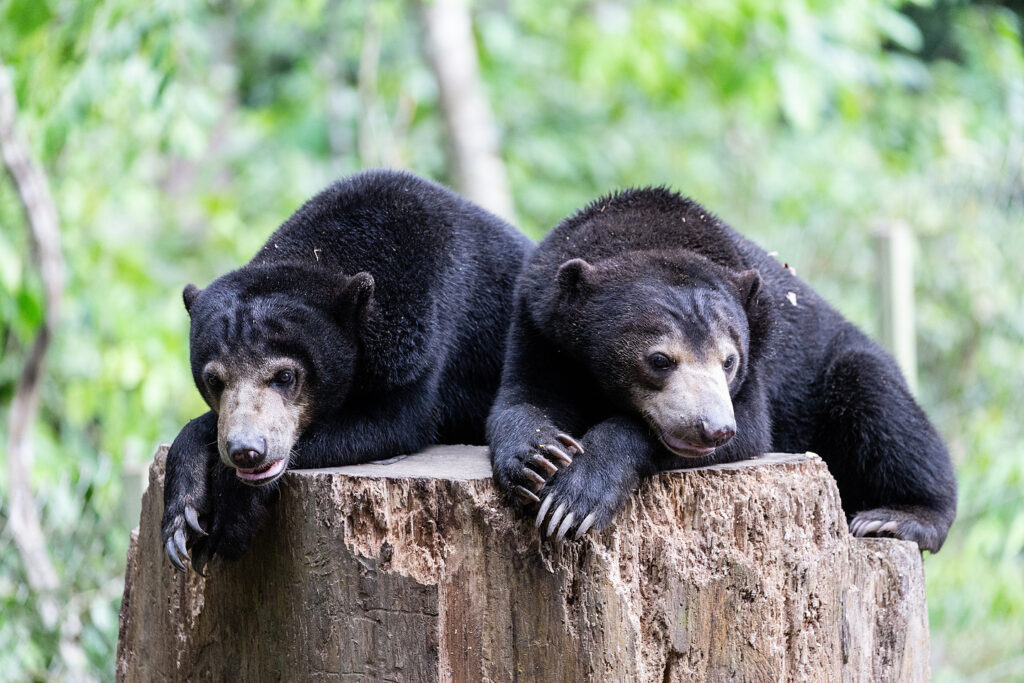
Located right next to Sepilok, this centre rescues sun bears (the world’s smallest bear species) from captivity and illegal wildlife trade. The bears live in a large forest enclosure that you view from elevated walkways.
Entry is 30 ringgit and the centre is open 9am-3:30pm. Unlike Sepilok, there are no feeding times here, so you never quite know what you will see. When I visited, about six bears were visible, climbing trees, playing, and generally being adorable.
Sun bears are incredible climbers and have massive claws and tongues adapted for extracting honey and insects from trees. Watching them is fascinating, though you need patience as they can be hidden in the forest.
Most people combine this with Sepilok as they are literally next door to each other. A half-day tour typically includes both centres plus the Rainforest Discovery Centre.
Rainforest Discovery Centre
Also near Sepilok, this is an 8-hectare rainforest preserve with excellent trails and a canopy walkway suspended 25 metres above the forest floor.
Entry is 20 ringgit for foreigners. The canopy walkway is the highlight, giving you incredible views over the rainforest and opportunities to spot birds and squirrels. Early morning (7am-9am) is best for birdwatching.
I walked the trails for about two hours and saw various birds, massive ants, interesting plants, and a flying lemur (colugo) which was a real highlight. It is peaceful and educational, with good signage explaining the forest ecosystem.
Labuk Bay Proboscis Monkey Sanctuary

Proboscis monkeys are one of Borneo’s most distinctive animals, with their enormous noses and pot bellies. They are endemic to Borneo and increasingly rare due to habitat loss.
Labuk Bay is a private sanctuary about 40km from Sandakan where you can see these bizarre-looking primates up close. There are feeding times at 9:30am, 11:30am, 2:30pm, and 4:30pm when the monkeys come to feeding platforms.
Entry is 60 ringgit (about £12), which is expensive, but the experience is unique. You get incredibly close to the monkeys, watching them feed, interact, and show off their swimming skills (they are excellent swimmers).
I visited for the 2:30pm feeding and saw probably 30-40 monkeys including babies. The males with the ridiculous noses are hilarious to watch. The sanctuary also has wild silver leaf monkeys that show up for feeding.
Getting there independently is tricky as it is on private palm oil plantation land. Most people visit on an organised tour, which includes transport and often combines it with other attractions.
Kinabatangan River Wildlife Tour
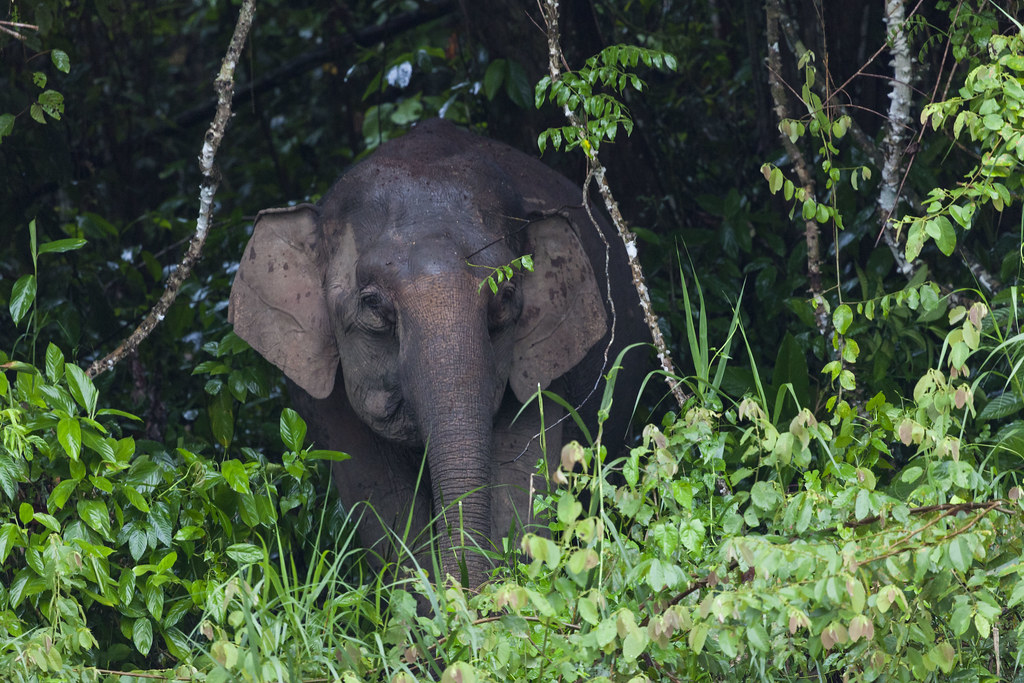
This is the experience that genuinely blew my mind. The Kinabatangan River is one of the best places in the world for wildlife watching, and it is Borneo at its most wild and spectacular.
Most people do an overnight or two-night stay at one of the lodges along the river, which includes multiple boat cruises to spot wildlife. The river is home to orangutans, proboscis monkeys, pygmy elephants, crocodiles, kingfishers, hornbills, and occasionally clouded leopards.
What I saw on my two-night trip:
- Multiple proboscis monkey groups, including babies
- Wild orangutans in the trees along the riverbank
- A family of pygmy elephants crossing the river (absolutely incredible)
- Crocodiles basking on the riverbank
- Countless bird species including hornbills
- A group of macaques raiding a village
- Monitor lizards swimming in the river
The boat cruises happen in early morning and late afternoon when wildlife is most active. You cruise slowly along the river while guides scan the trees and banks with spotlights (for night cruises) or binoculars.
Accommodation options range from basic to comfortable:
Budget lodges cost around £60-80 per person for two days/one night including transport from Sandakan, accommodation, meals, and boat cruises. These have basic rooms with fans and shared bathrooms.
Mid-range lodges cost £100-150 per person and offer better rooms, often with air conditioning and private bathrooms.
Luxury lodges can cost £200+ per person but offer proper comfort with good food and more experienced guides.
I stayed at a mid-range place called Bilit Adventure Lodge and thought it was perfect. The guides were excellent, food was decent, and the location was ideal for wildlife spotting.
Booking: You can book tours in advance online or from agencies in Sandakan. Booking online gives you more choice and you can read reviews, but booking in Sandakan can sometimes get you last-minute deals if lodges have space.
I strongly recommend doing at least two nights if possible. One night gives you three boat cruises (afternoon, night, morning), but two nights gives you five cruises and dramatically increases your chances of seeing pygmy elephants and other rarer animals.
This was genuinely one of the best wildlife experiences of my life, and every backpacker I met who did it said the same thing. Do not skip this.
Gomantong Caves
These massive limestone caves are home to millions of bats and swiftlets (whose nests are harvested for bird’s nest soup). The caves are about 30km from Sandakan and can be visited independently or as part of a tour, often combined with Kinabatangan River.
Entry is 30 ringgit for foreigners. The main attraction is watching hundreds of thousands of bats emerge from the caves at dusk, creating a massive swirling cloud. It is spectacular but also completely chaotic.
Warning: The caves absolutely reek. The floor is covered in bat guano (poop) and the smell is overwhelming. The walkways can be slippery from all the droppings and the humidity. I saw one person vomit from the smell, so consider yourself warned.
You will also encounter massive cockroaches on the walkways. I am talking the size of your palm. They are harmless but deeply unpleasant.
Despite all this, the cave formations are impressive and the bat exodus at sunset is genuinely amazing. It is worth doing, but manage your expectations about the conditions inside.
Beyond Sandakan: Other Borneo Destinations
Kota Kinabalu (KK)
The capital of Sabah and most people’s entry point to Borneo. KK itself is pleasant enough with a nice waterfront, good food scene, and lively backpacker area.
Main attractions:
- Tunku Abdul Rahman Marine Park: Five islands just offshore with decent snorkelling and beaches. Depending on length and quality day trips cost around £15-70
- Mount Kinabalu: Southeast Asia’s highest mountain at 4,095m. The two-day climb is challenging but rewarding. Requires permits and guides.
- Mari Mari Cultural Village: Tourist-focused but interesting look at traditional Borneo tribes (around £20-30 for tours)
- Signal Hill Observatory: Free views over the city and islands
KK is a good place to start or end your Borneo trip, with plenty of hostels, restaurants, and tour agencies. The night markets are excellent for cheap seafood.
Semporna and Sipadan
If you are a diver, Semporna is essential. This scruffy little town is the gateway to Sipadan, often rated as one of the world’s best dive sites and one my top places to visit in Malaysia.
Sipadan is protected and only 120 permits are issued per day. You cannot stay on the island, so divers stay in Semporna or on nearby islands and make day trips to Sipadan.
Diving in Semporna and Sipadan is world-class, with incredible marine life including sea turtles, sharks, barracuda schools, and pristine coral reefs. Most backpackers do a 3-day/2-night diving package staying at one of the island resorts like Mabul or Kapalai.
Prices vary but expect around £200-400 for a 3-day/2-night package including accommodation, meals, and multiple dives. Sipadan permits are extra and not guaranteed, though most packages include at least one Sipadan dive.
The town of Semporna itself is pretty rough, with basic facilities and not much to do. However, the diving more than makes up for it.
Danum Valley Conservation Area
This is Borneo’s premier rainforest experience and one of the oldest rainforests on Earth (around 130 million years old). It is expensive compared to other Borneo attractions but offers incredible wildlife opportunities.
The only accommodation is Borneo Rainforest Lodge, which costs around £300-500 per person for a two-day/one-night package including transport, accommodation, meals, and guided activities.
Activities include night walks (where you have a good chance of seeing slow lorises and flying squirrels), canopy walks, river cruises, and jungle treks. Wildlife includes orangutans, pygmy elephants, sun bears, and clouded leopards, though sightings are never guaranteed in primary rainforest.
I did not go here due to budget constraints, but everyone I met who visited said it was worth the splurge and one of the most underrated destinations they had been to. If you can afford it and want a pristine rainforest experience, Danum Valley is as good as it gets.
Tabin Wildlife Reserve
A more affordable alternative to Danum Valley, Tabin is a recovering rainforest (it was logged in the past) with good wildlife viewing opportunities.
Two-day/one-night packages cost around £150-250 per person including transport from Sandakan or Lahad Datu, accommodation, meals, and guided activities. You have decent chances of seeing pygmy elephants, orangutans, and various other wildlife.
The mud volcano is a unique feature where animals come to drink mineral-rich water and mud. Night drives and rainforest walks are included in packages.
Kuching and Sarawak
On the western side of Borneo (different state from Sabah), Kuching is a charming city worth visiting if you have extra time. It is the gateway to orangutan centres like Semenggoh and various national parks.
Bako National Park near Kuching is excellent for seeing proboscis monkeys, bizarre carnivorous pitcher plants, and hiking through diverse habitats from rainforest to mangrove.
Most backpackers focus on either Sabah (Sandakan, KK, Semporna) or Sarawak (Kuching area), as travelling between the two is time-consuming and requires flying or very long bus journeys.
Practical Information for Visiting Borneo
When to Visit
Dry Season (March to October): Best time to visit with less rain and better wildlife viewing. July and August are peak months with slightly higher prices.
Wet Season (November to February): More rainfall but still possible to visit. Wildlife can actually be easier to spot along rivers as animals concentrate near water sources. Prices are lower and attractions less crowded.
I visited in April and had mostly excellent weather with occasional afternoon showers. Wildlife viewing was fantastic.
Borneo is near the equator so it is hot and humid year-round. Temperatures range from 25-35°C with high humidity. Pack light, breathable clothes.
Budget
Borneo is more expensive than mainland Southeast Asia, similar to prices in Malaysia generally.
Daily backpacker budget:
- Hostel: £6-12 per night
- Food: £8-15 per day
- Local transport: £3-6 per day
- Activities: £15-50 per day (wildlife tours are the big expense)
You can survive on £30-40 per day if you are careful, but £50-70 per day is more realistic when doing tours. Multi-day experiences like Kinabatangan River or diving in Semporna require larger chunks of budget.
Getting Around
Between towns: Buses are the main option for budget travellers. They are comfortable enough but journeys can be long. Flying saves time but costs more.
Local transport:
- Taxis and Grab (Southeast Asian Uber) are available in larger towns
- Local minibuses run between towns
- Rental cars are an option if you have a group and want flexibility (around £30-50 per day)
For wildlife tours: Most people book organised tours as getting to wildlife areas independently is difficult and often not allowed. Tours include transport, so you do not need to worry about this.
Booking Tours: How to Get the Best Deals
Sandakan and KK have dozens of tour agencies competing for business. You can book online in advance or book locally.
Booking online in advance:
- Pros: More choice, can read reviews, secure specific dates
- Cons: Sometimes pay more than booking locally
Booking locally:
- Pros: Can sometimes negotiate better prices, flexibility with dates
- Cons: Popular tours might be booked out, quality varies
I found a good middle ground was researching reputable companies online, then visiting their offices in person to ask questions and book. Most gave me better prices than their website rates.
Companies with good reputations:
- SI Tours (Sandakan and Kinabatangan)
- Uncle Tan’s (Kinabatangan, budget-focused)
- Borneo Eco Tours (various tours, mid-range to luxury)
- Scuba Junkie (diving in Semporna)
Always check what is included in tour prices (transport, meals, permits, equipment) and read recent reviews. Avoid going with the absolute cheapest option as corners get cut somewhere.
What to Pack
Essentials:
- Light, quick-dry clothes (jeans are miserable in the humidity)
- Long sleeves and trousers for jungle walks (protects from mosquitoes and leeches)
- Good walking shoes or boots
- Sandals for casual wear
- Rain jacket or poncho
- Insect repellent (high DEET)
- Sunscreen and sun hat
- Torch/headlamp for night walks
- Reusable water bottle
- Dry bag for boat trips
- Camera with zoom lens if you have one
Eco-Conscious Packing: 10 Reusable and Sustainable Travel Products
Optional but useful:
- Leech socks (trust me, they are horrible creatures)
- Binoculars for wildlife spotting
- Power bank
- Earplugs for jungle sounds at night
- More packing suggestions here
Wildlife Viewing Tips
Be patient. Animals do not perform on schedule. Some boat cruises see loads of wildlife, others see very little. That is nature.
Go in the early morning and late afternoon. These are the most active times for wildlife. Midday is generally quiet.
Listen to your guides. They know the forests and rivers intimately and spot things you would never see.
Stay quiet. Loud voices scare animals away. On boat cruises, the quietest groups often see the most wildlife.
Manage expectations. You will not see everything. Pygmy elephants, for example, are unpredictable. Some people see entire herds, others see nothing. That is wildlife watching.
Take binoculars if you have them. Many animals are high in trees or far from the boat. Guides usually have binoculars but bring your own if possible.
Responsible Tourism
Borneo faces serious environmental challenges, primarily from palm oil plantations and deforestation. As a visitor, make responsible choices:
- Book tours with companies that support conservation
- Never touch or feed wildlife
- Stay on marked trails in forests
- Avoid buying products made from endangered species
- Choose lodges that employ local people and support communities
- Dispose of rubbish properly (take it with you if necessary)
Zero-Waste Backpacking Tips: A Guide to Sustainable Travel
The tourism money genuinely helps fund conservation efforts and gives local communities economic alternatives to destructive industries.
Safety
Borneo is generally very safe for backpackers. Violent crime is rare. Standard precautions apply:
- Watch belongings in busy areas
- Use reputable tour operators
- Be cautious in Semporna town at night (some dodgy areas)
- Keep copies of important documents
- Have travel insurance (essential)
The bigger risks are natural: leeches, mosquitoes, slippery paths, and heat exhaustion. Take sensible precautions and you will be fine.
Health
Vaccinations: Check with your doctor, but typical recommendations include Hepatitis A and B, Typhoid, Tetanus, and Japanese Encephalitis.
Malaria: Low risk in most tourist areas but present in rural regions like Kinabatangan. Take precautions (repellent, long sleeves) and consider prophylaxis if doing extensive jungle time.
Dengue: Present throughout Borneo. No vaccine or prophylaxis, so insect repellent is crucial.
Leeches: Horrible but harmless. They drop from vegetation onto you during jungle walks. Check yourself regularly and pull them off (they will not hurt you). Salt or tobacco makes them let go faster.
Sandakan and KK have decent hospitals if needed. Travel insurance is essential.
Where to Stay in Sandakan
Sandakan has plenty of budget accommodation options. Most backpackers stay near the town centre for convenience.
Budget options (£5-10 per night):
- Sandakan Backpackers Hostel is basic but clean with a social atmosphere
- Four Points Guesthouse is popular with budget travellers
Mid-range (£10-20 per night):
- Paganakan Dii Tropical Retreat is about 3km from town but beautiful setting
- Hotel Sandakan gets decent reviews for the price
Many people only spend one night in Sandakan before heading to Kinabatangan or Sepilok, so accommodation choice is not hugely important.
How Long to Spend in Sandakan Area
Minimum: 3 days/2 nights
- Day 1: Arrive, half-day tour to Sepilok, Sun Bear Centre, and Rainforest Discovery Centre
- Day 2: Labuk Bay Proboscis Monkey Sanctuary and Sandakan town
- Day 3: Depart
Recommended: 5-7 days
- Adds a 2-night/3-day Kinabatangan River experience, which is genuinely worth it
- More relaxed pace and allows for unexpected delays or weather
Ideal if you have time: 10-14 days in Sabah region
- Covers Sandakan area properly
- Includes time in KK and potentially Semporna for diving
- Allows for weather flexibility and rest days
Most of my backpacker friends spent 4-7 days in the Sandakan area and felt that was about right. The Kinabatangan River trip is absolutely worth the extra time and money.
Final Thoughts
Sandakan and Borneo exceeded my expectations in every way. Yes, the tours are expensive compared to other parts of Southeast Asia, and yes, Sandakan town itself is not going to win any beauty contests. But the wildlife experiences are genuinely world-class and unlike anything else in the region.
Seeing wild orangutans in their natural habitat, watching pygmy elephants cross a river, cruising through rainforest at dawn with mist rising off the water and hornbills flying overhead… these are the moments that make backpacking through Southeast Asia so special.
If you are on a tight budget, prioritise the Kinabatangan River experience and Sepilok. Skip some of the other attractions if necessary, but do not miss those two. If you have more money to spend, add Sipadan diving or Danum Valley rainforest.
Borneo is special. The wildlife, the ancient rainforests, and the sheer wildness of it all make this a destination that will stay with you long after you have left. Just remember to book your tours through reputable operators, take plenty of insect repellent, and prepare to be amazed.



By adding us a preferred source you'll see Backpacker Advice more often in your Google searches.