



Island Hopping by Boat in the Philippines

Why Choose Boat Travel in the Philippines?
The Philippines is an archipelago of over 7,000 islands, and whilst internal flights might seem convenient, they are often expensive and can feel unnecessarily stressful for travellers who prefer to keep their feet closer to the ground (or water, in this case). Travelling by boat is not only significantly cheaper but also offers an authentic glimpse into how locals actually get around. You will meet Filipino families, traders, and fellow backpackers, all whilst enjoying stunning views of turquoise waters and limestone cliffs that you would miss entirely at 30,000 feet.
During my first trip through the Visayas, I saved nearly £200 by taking overnight ferries instead of flights, and the experience of waking up at sunrise on deck as we approached Cebu was worth far more than the money saved.
Types of Boats You Will Encounter
RoRo Ferries (Roll-On/Roll-Off)
These are the workhorses of Philippine inter-island travel. Large vessels operated by companies like 2GO Travel, Cokaliong Shipping, and Montenegro Lines connect major islands with regular schedules. They range from basic to surprisingly comfortable, with options from economy seats to air-conditioned cabins.
What to expect: Canteens selling cheap meals, karaoke sessions that go late into the night, and locals happy to share food and stories. Pack earplugs if you are a light sleeper.
Fastcraft and Catamaran Services
Companies like OceanJet, SuperCat, and Weesam Express operate these speedier vessels between popular routes. They are more expensive than RoRo ferries but significantly cheaper than flying, and journeys that might take 12 hours on a ferry can be done in 2-3 hours.
Bangka Boats
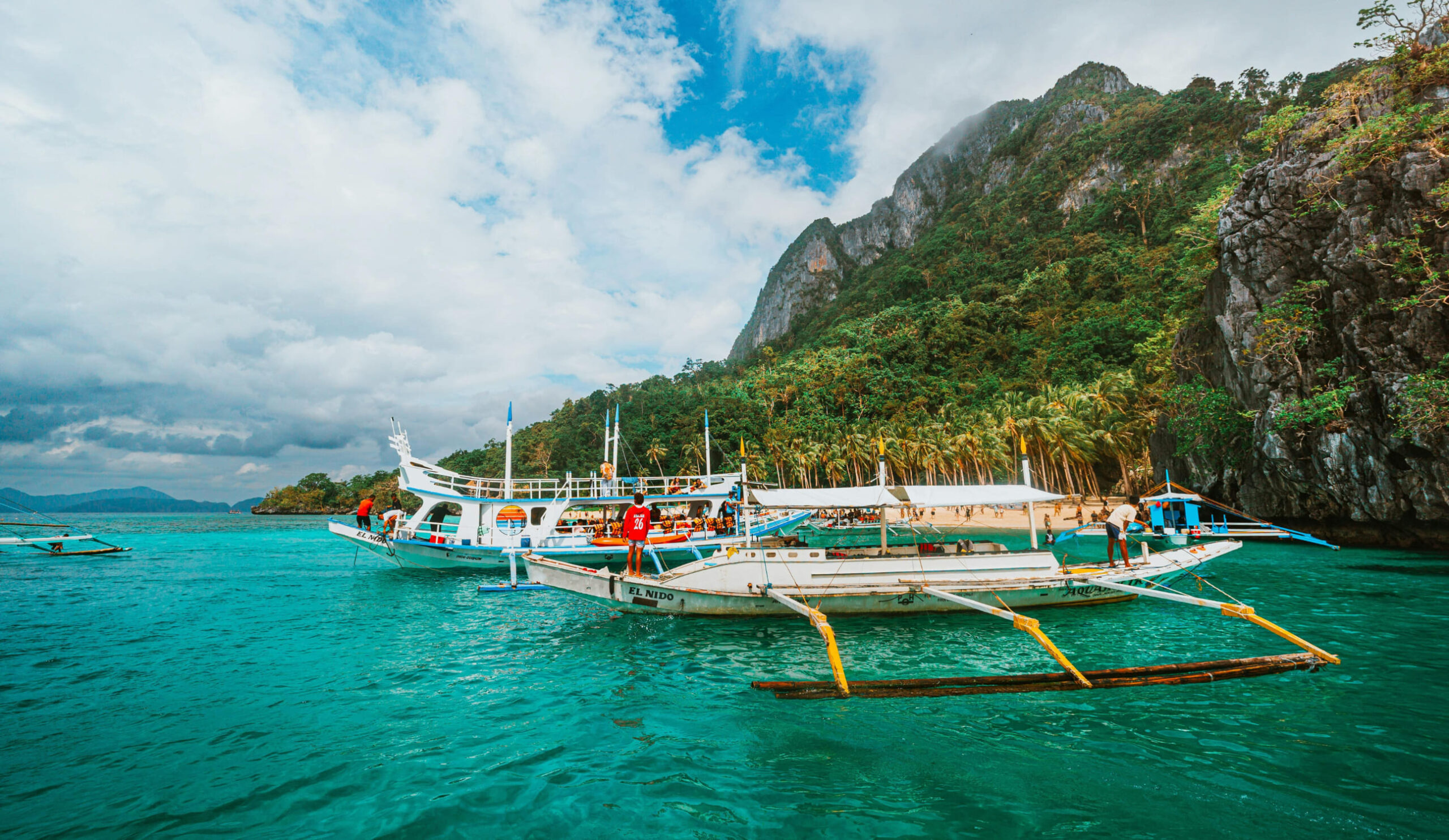
These are traditional outrigger boats, and you will see them everywhere. They are essential for reaching smaller islands and remote beaches that larger ferries cannot access. Whilst they look precarious, they are remarkably stable and have been used for centuries. Just be prepared to get a bit wet.
RORO Cargo Vessels
For the truly adventurous, some cargo ships accept passengers. These are bare-bones experiences but incredibly cheap and offer a unique perspective on island life.
The Best Routes for Backpackers
Manila to Puerto Princesa (Palawan)
By 2GO Ferry: This 24-hour journey is a rite of passage for budget travellers heading to Palawan. It departs twice weekly and costs around 1,500-2,500 PHP depending on accommodation class. Book at least a week in advance during peak season.
My experience: I splurged on a cabin (still only £35) and spent the journey chatting with other backpackers on deck. The crossing can be rough, so take seasickness tablets if you are prone to it.
Cebu to Bohol (Tagbilaran)
By OceanJet or Lite Shipping: This is one of the busiest routes in the Philippines, with multiple departures daily. The fastcraft takes just 2 hours and costs 500-700 PHP. Alternatively, slower ferries take 4 hours but cost as little as 250 PHP.
Top tip: Book early morning ferries online to get the cheapest rates and avoid the midday heat.
Coron to El Nido
This stunning route through Palawan can be done via direct bangka boat tours which take 6-8 hours, stopping at incredible snorkelling spots along the way. Expect to pay 1,500-2,000 PHP per person. Some boats are quite basic, so bring sun cream, snacks, and plenty of water.
There are also many multi-day island hopping/stopping boat tours on this route too aimed at backpackers. More expensive, but a lot more enjoyable. I personally recommend Tao.
Reality check: The seas between Coron and El Nido can be genuinely rough, especially during the monsoon season (June to November).
Cebu to Dumaguete (Negros)
By Cokaliong or OceanJet: Takes 4-5 hours by fastcraft and costs 700-900 PHP. This is a convenient route if you are heading to Apo Island for diving or onwards to Siquijor.
Batangas to Puerto Galera (Mindoro)
Perfect for a quick escape from Manila. Multiple bangka boats leave throughout the day from Batangas Pier, taking 1-1.5 hours and costing just 300-400 PHP. The boats leave when full, so be prepared for a wait during quiet periods.
Siargao to Surigao
By RORO ferry: Multiple daily departures connecting the surf capital of the Philippines to the mainland. Takes about 2 hours and costs 200-300 PHP. Bring a book or download some podcasts because mobile signal is patchy.
Manila to Caticlan (for Boracay)
Whilst most backpackers fly this route, 2GO operates ferries that take 20-24 hours. It is a long journey but costs less than half the price of flying and connects onwards to other Visayan islands.
Practical Tips for Boat Travel
Booking Your Tickets
For major routes, book online through the ferry company websites or apps like 12Go Asia or Bookaway. For bangka boats to smaller islands, you will often need to book at the pier itself. Arrive early, especially during holiday periods.
What to Pack
Bring a light jacket or sarong even on day trips. Air-conditioning inside ferries can be absolutely freezing, whilst the deck might be sweltering. I learnt this the hard way on an overnight ferry and ended up wrapping myself in a beach towel at 3am.
Pack seasickness tablets, snacks, and a refillable water bottle. Ferry canteens are affordable but options can be limited. A good book or downloaded entertainment is essential for longer journeys.
Travel Packing List: What To Take Backpacking Around The World
Safety Considerations
The Philippines has improved maritime safety significantly in recent years, but ferry accidents do still happen. Check weather forecasts before travel and do not board obviously overloaded vessels. If locals are hesitant to travel due to weather, take that seriously.
Avoid travelling during typhoon season (June to November) if possible, or at least stay flexible with your plans. I once spent three extra days on Camiguin because ferries were cancelled due to rough seas. It turned into an unexpected highlight of my trip.
Travel Safety and Security Tips
Cost Comparison
To put things in perspective, a flight from Manila to Puerto Princesa costs around 2,500-4,000 PHP (£35-55), whilst the ferry costs 1,500-2,500 PHP (£20-35) including a cabin. For routes like Cebu to Bohol, you are looking at 1,500 PHP (£20) for a flight versus 250-700 PHP (£3.50-10) for a ferry.
Over a month of island hopping, choosing boats over planes can easily save you £300-500.
The Reality of Boat Travel
Let me be honest about something most travel blogs will not tell you. Boat travel in the Philippines can be uncomfortable, unpredictable, and occasionally genuinely unpleasant. Ferries get delayed. Seas get rough. Bathrooms on economy class can be grim. You might spend 12 hours on a hard seat next to someone’s crate of live chickens.
But here is the thing. These journeys often become the stories you tell for years afterwards. The sunrise over Mindoro. The fisherman who shared his dried mango with you. The moment you spotted dolphins alongside your bangka boat. The Filipino family who insisted you join them for their packed lunch of fried chicken and rice.
When I think back to my months travelling through the Philippines, I barely remember the flights. But I can still picture every single boat journey in vivid detail.
Sample Two-Week Itinerary Using Boats
Day 1-2: Manila to Puerto Galera (bangka from Batangas)
Day 3-5: Puerto Galera to Caticlan via Manila (or take the adventurous route via Romblon)
Day 6-8: Caticlan to Iloilo, then ferry to Bacolod
Day 9-11: Bacolod to Dumaguete (fastcraft via Cebu or direct RORO)
Day 12: Dumaguete to Siquijor (1 hour ferry)
Day 13-14: Siquijor to Bohol (via Dumaguete)
This itinerary keeps you moving but allows enough time in each place to actually enjoy it, without setting foot on a single plane.
Final Thoughts
Choosing boats over planes in the Philippines is not just about saving money, although that is certainly a bonus. It is about slowing down enough to actually experience the journey, not just the destination. It is about joining the rhythm of island life, where schedules are suggestions and “Filipino time” is a real and tangible thing.
Yes, it requires more patience and flexibility than flying. Yes, you will occasionally arrive somewhere tired and slightly dishevelled. But you will also have authentic experiences that most tourists miss entirely, and is that not what backpacking is really about?
The Philippines is a country designed to be explored by boat. So pack your Kindle, grab some seasickness tablets, and embrace the slower pace. Your wallet and your Instagram feed will thank you.



By adding us a preferred source you'll see Backpacker Advice more often in your Google searches.