





How to Explore the World’s Priciest Places Without Breaking the Bank

Let’s be honest: some of the world’s most incredible destinations come with eye-watering price tags. Tokyo, Zurich, London, Sydney, New York City – these places can drain your travel fund faster than you can say “hostel dorm bed.” But here’s the thing: expensive doesn’t mean impossible.
After years of backpacking through some of the world’s costliest cities (and making plenty of costly mistakes along the way), I’ve learned that with the right strategies, you can experience these incredible destinations without selling a kidney. Whether you’re dreaming of cherry blossoms in Japan or northern lights in Norway, this guide will show you exactly how to make it happen.
Accommodation: Sleep Smart, Not Expensive
Hostels Are Still Your Best Friend
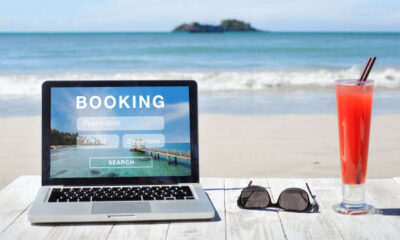
Even in expensive cities, hostels offer the best bang for your buck. In Tokyo, I stayed at Nui Hostel in Asakusa for just £20 per night, compared to £200+ for basic hotels. Book directly with hostels rather than through booking sites to avoid commission fees, and always check for weekly discounts if you’re staying longer.
Paris Hostel Recommendations for Under €20 Per Night
Staying In Hostels While Travelling: Advice and Survival Tips
Alternative Accommodation Strategies
House-sitting and Pet-sitting: Websites like TrustedHousesitters connect you with homeowners who need someone to watch their property or pets. I spent two weeks in a gorgeous flat in Madrid completely free, just by watering plants and feeding a cat.
Work Exchanges: Platforms like Worldpackers and Workaway offer accommodation in exchange for a few hours of work daily. I helped at a hostel reception in Stockholm for four hours each day and got free accommodation plus breakfast.
Digital Nomad Visa Guide 2025: How to Work Remotely While Travelling the World
Couchsurfing: Still alive and well in expensive cities. I’ve crashed on sofas in Manhattan and Sydney CBD, saving hundreds whilst meeting incredible locals who showed me hidden gems no guidebook mentions.
Long-term Rentals: If staying a month or more, look into house shares or month-to-month rentals. In expensive cities, weekly rates are often much better than nightly ones.
Read more budget travel hacks here.
Food: Eat Well Without the Hefty Bill
Supermarket Strategy
Your greatest weapon against inflated restaurant prices is the local supermarket. In Switzerland, I survived on supermarket meals that cost £5 versus restaurant meals at £25+. Look for:
- End-of-day reduced sections (usually after 6 PM)
- Store-brand products (often 30-50% cheaper)
- Bulk buying for longer stays
- Ready-made salads and sandwiches instead of sit-down meals
Street Food and Local Markets
Street food isn’t just for Southeast Asia. London’s Borough Market offers incredible samples, whilst Tokyo’s convenience stores (konbini) serve restaurant-quality meals for under £3. In New York, food trucks provide massive portions for half the price of restaurants.
Take Advantage of Happy Hours and Lunch Specials
Many expensive restaurants offer lunch menus at fraction of dinner prices. In Paris, I enjoyed three-course lunches at Michelin-starred restaurants for £25 during lunch service versus £80+ for dinner.
How to Travel Full-Time on $1,000/Month
Cook Your Own Meals
Book accommodation with kitchen access whenever possible. Cooking just half your meals can cut food costs by 60%. Hit up local markets early for the freshest ingredients at the best prices.
Transportation: Move Smart, Spend Less
Walk Everywhere (Seriously)
The best way to see expensive cities is on foot. I walked across Manhattan dozens of times, discovering incredible neighbourhoods I’d never have found otherwise. Download offline maps and plan walking routes that hit multiple attractions.
Public Transport Passes
Most expensive cities offer day, weekly, or monthly transport passes that provide significant savings. Tokyo’s JR Pass, London’s Oyster Card, and NYC’s MetroCard all offer better value than individual tickets.
Bike Sharing and Cycling
Many expensive cities have excellent bike-sharing schemes. Copenhagen’s city bikes, London’s Boris bikes, and New York’s Citi Bike offer cheap transport plus great exercise. In Amsterdam, I rented a bike for a week for less than two days of public transport would have cost.
Strategic Flight Booking
Fly into cheaper nearby airports and take budget transport into the city. Flying into Luton instead of Heathrow, or Newark instead of JFK, can save hundreds. Be flexible with dates and use tools like Skyscanner’s whole month view.
Best Sydney Hostel Recommendations for Under $60 AUD (£30) Per Night
Free and Cheap Activities: Experience More, Spend Less
Free Museums and Attractions
Most expensive cities offer incredible free attractions:
- London: British Museum, National Gallery, Hyde Park, Camden Markets
- New York: Staten Island Ferry (free Statue of Liberty views), Central Park, Brooklyn Bridge
- Paris: Notre-Dame exterior, Sacré-Cœur, Père Lachaise Cemetery
- Tokyo: Senso-ji Temple, Harajuku people-watching, Imperial Palace East Gardens
Walking Tours and Local Events
Free walking tours operate in almost every major expensive city. They’re tip-based, so you pay what you think it’s worth. Check Facebook events and Meetup.com for free local happenings, from art gallery openings to street festivals.
Student and Youth Discounts
Your student ID or youth hostel membership can unlock significant discounts. In London, student prices often cut attraction costs by 30-50%. Don’t be shy about asking – the worst they can say is no.
Money-Saving Mindset Shifts
Travel Slowly
The faster you travel, the more expensive it becomes. Spending two weeks in one expensive city is often cheaper per day than rushing through in three days when you factor in transport, booking fees, and the premium of last-minute arrangements.
Embrace Local Life
Instead of tourist restaurants, eat where locals eat. Instead of tourist bars, drink where locals drink. These places are invariably cheaper and offer more authentic experiences. Strike up conversations with locals for insider tips on budget-friendly spots.
Timing Is Everything
Visit expensive destinations during shoulder seasons or off-peak times. Tokyo in January, London in November, or New York in February offer the same incredible experiences at fraction of peak season costs.
Set Daily Budgets and Track Spending
Use apps like Trail Wallet or simply keep a daily spending diary. Seeing exactly where your money goes helps identify areas to cut back. Set realistic daily budgets and stick to them.
City-Specific Budget Hacks
Tokyo
- Convenience store meals are restaurant quality for £3
- Many temples and shrines are completely free
- Tsukiji Fish Market offers incredible cheap sushi
- 100-yen shops are perfect for travel supplies
London
- Borough Market samples can constitute a free meal
- Many pubs offer cheap meals with drink purchases
- Museums are mostly free with world-class collections
- Use Boris bikes for short trips instead of the Tube
New York
- Happy hour drinks and food deals abound
- Central Park provides endless free entertainment
- Staten Island Ferry offers free Statue of Liberty views
- Many galleries in Chelsea offer free admission
Switzerland
- Cook absolutely everything yourself
- Buy train tickets well in advance for discounts
- Hiking is free and Switzerland’s greatest attraction
- Shop at Aldi and Lidl instead of Coop or Migros
Final Thoughts
Budget travel in expensive destinations requires planning, flexibility, and creativity, but it’s absolutely achievable. The key is shifting your mindset from “I can’t afford this” to “How can I make this work?”
Start planning early, be flexible with your dates and accommodation, and remember that some of the best travel experiences cost absolutely nothing. The sunrise over Tokyo from the free observation deck at the Metropolitan Government Building is just as spectacular as any expensive tour.
Your gap year or backpacking adventure doesn’t have to skip the world’s most expensive cities. With these strategies, you can tick them off your bucket list without ticking off your bank manager.
Remember: the goal isn’t to travel as cheaply as possible – it’s to maximise experiences whilst minimising unnecessary spending. Sometimes paying a bit more for the right accommodation or experience is worth it, but now you’ll know when those moments are and when you can save without sacrificing the magic of travel.
If this all sounds too much, just stick to the cheapest countries to backpack.



By adding us a preferred source you'll see Backpacker Advice more often in your Google searches.