







How to Book and Travel by Train in India: A Backpacker’s Guide

Travelling by train in India is one of the most memorable experiences you can have as a backpacker. The network is vast, the scenery can be stunning, and it is often the most affordable way to get between destinations. However, booking a train in India can be confusing for first-time visitors, especially when you encounter the waitlist system. Here’s a complete guide based on first-hand experience.
Understanding the Indian Train System
India’s railway network is the fourth largest in the world and connects almost every corner of the country. There are several classes of travel, from luxury air-conditioned coaches to basic sleeper and unreserved carriages.
Sleeper Class (SL) – Budget-friendly and the most common choice for backpackers.
AC 3-Tier (3A) – Cleaner, quieter, and air-conditioned, but more expensive.
AC 2-Tier (2A) – More privacy, with fewer berths per compartment.
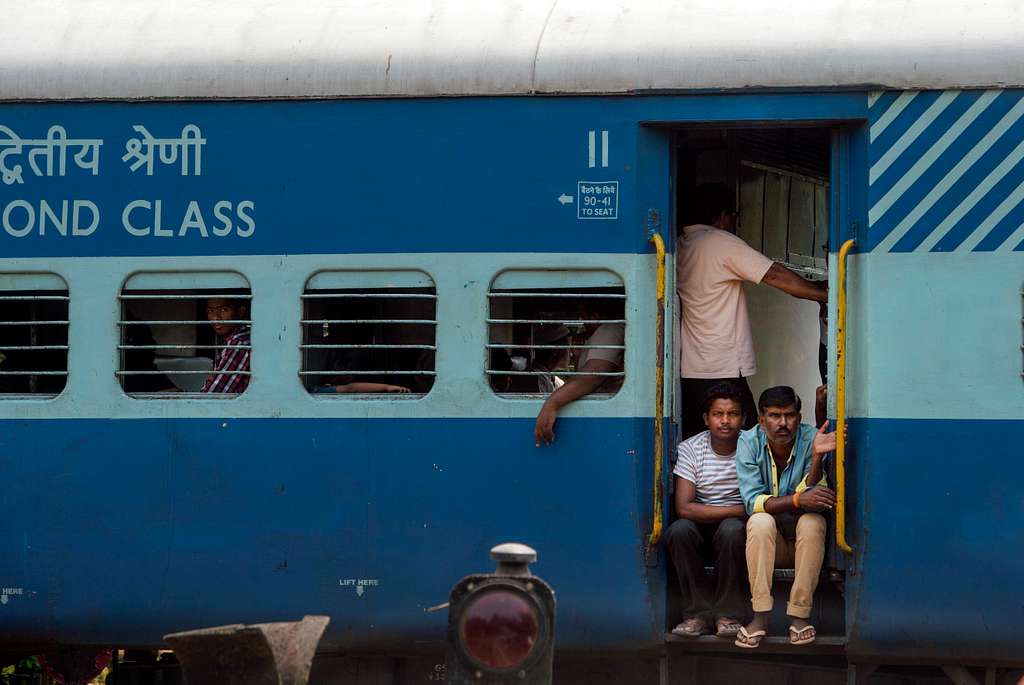
Unreserved Second Class – Cheapest, but can be extremely crowded.
For long-distance backpacker travel, most choose Sleeper Class (budget but comfortable enough) or AC 3-Tier (a little more expensive but cleaner and quieter).
If you are travelling shorter distances, Second Class Sitting can be a cheap and quick option. However, it is not air-conditioned and can get extremely crowded during peak hours.
Why You Should Book Indian Train Tickets in Advance
Popular routes and long-distance trains sell out weeks in advance, especially during festivals, school holidays, and high season. Booking early is the best way to guarantee a confirmed seat or berth. The official booking window opens 120 days before departure.
Even in low season, special routes like the Darjeeling Himalayan Railway or overnight journeys to Goa often sell out fast.
Best Ways to Book Train Tickets in India
You have three main booking options:
- Online via IRCTC – The official Indian Railways website or mobile app. You need to create an account, which can be tricky for foreigners, but it’s the cheapest method. We couldn’t sign up without an Indian phone number, but there was an option to pay a very small fee to sign up without the phone number, so we did that.
- International Booking Websites – Sites like 12Go Asia or ClearTrip allow booking without an Indian account, but prices are higher.
- At the Station – Some big stations have an international booking counter, but queues can be long and you risk tickets being sold out.
Indian Train Ticket Waitlist Explained
When a train is fully booked, you can still purchase a waitlisted ticket. This means you do not yet have a seat, instead, you are placed in a queue in case someone cancels.
The codes to know:
- WL – Waitlist. You can only board if your status changes to RAC or Confirmed.
- RAC (Reservation Against Cancellation) – You have the right to board, but will initially share a berth with another passenger. If someone cancels, you get a full berth.
Why the Train Waitlist System Can Be a Problem
The biggest issue with the Indian train waitlist system is uncertainty. You often will not know until hours before departure whether your ticket will confirm. In some cases, your ticket might not clear at all, leaving you stranded without a legal right to board.
This can be stressful if you have tight travel plans, onward connections, or pre-booked accommodation. For popular routes, many travellers end up booking backup transport (buses or flights) just in case their waitlisted ticket does not clear, which can double your costs.
Also, if your ticket is still WL status at departure time, it is automatically cancelled in the system and you cannot board that train.
Our Experience with the Waitlist
On one trip from Varanasi to Agra, we had WL5 and checked obsessively. It confirmed the night before, which was a relief. On another route from Udaipur to Mumbai, our waitlist number was very high, so we decided to cancel it and book a flight, as we couldn’t risk not getting there on time. The lesson: always have a backup plan.
Extra Details on How the Waitlist Works
- Waitlist numbers drop when other passengers cancel or fail to pay.
- Updates happen in real time, and you can check your status on the IRCTC website or app.
- Tourist Quotas and Tatkal tickets can sometimes bypass long waitlists.
- The smaller your initial waitlist number (e.g., WL2 instead of WL15), the higher your chances of confirmation.
- Overnight and popular tourist routes are harder to clear than regional commuter trains.
Tatkal and Premium Tatkal Tickets for Last-Minute Travel
If you miss regular booking, try Tatkal tickets, released one day before departure at a higher price. Premium Tatkal works the same way, but the price rises dynamically as tickets sell. These are a lifeline for last-minute travellers, though they sell out in minutes on busy routes.
Tips for Beating the Waitlist
- Book as far in advance as possible.
- Search for alternative trains on the same route.
- Try booking from a different starting station on the same line.
- Use Tatkal or Premium Tatkal options.
- Monitor your PNR status daily before departure.
What to Expect on the Day of Your Train Journey
- Arrive at the station at least 45–60 minutes early.
- Check the departure boards for your platform, as they can change at the last minute.
- Find your carriage number on the printed charts posted on the platform.
- Boarding can be hectic, so be ready to get on quickly with your luggage.
Indian Train Travel Tips for Backpackers
- Bring your own snacks and bottled water, as pantry car quality varies.
- Be vigilant and stay safe. Secure your bags with a chain and lock if sleeping.
- Bring a lightweight blanket or sleeping bag for overnight trains if travelling in the lower classes.
- Talk to locals. Train journeys in India are great for meeting people.
- Expect delays and enjoy the slower pace.
Final Thoughts on Booking Trains in India
Travelling by train in India can be confusing at first, but once you understand the system, including the waitlist quirks, it becomes one of the most rewarding and scenic ways to explore the country.



By adding us a preferred source you'll see Backpacker Advice more often in your Google searches.