



Is Singapore Worth Visiting for Backpackers in Southeast Asia?

Singapore often divides backpackers travelling through Southeast Asia. Some see it as an expensive detour from the budget-friendly banana pancake trail, while others consider it an essential stop that offers unique experiences you cannot find elsewhere in the region. After spending two weeks exploring Singapore across multiple trips, I can say the answer depends entirely on what you’re seeking from your Southeast Asian adventure.
Why Singapore Stands Out in Southeast Asia
Singapore is unlike any other destination in the region. Where Thailand offers ancient temples and pristine beaches, and Vietnam serves up incredible street food and colonial history, Singapore presents a fascinating blend of cultures wrapped in modern efficiency. Walking through Little India, you’ll hear Tamil conversations mixing with Mandarin and English, while the aroma of curry spices mingles with incense from nearby temples.
The city-state feels like stepping into the future after weeks of navigating chaotic traffic in Bangkok or bargaining in Vietnamese markets. The MRT system runs like clockwork, English is widely spoken, and you can drink tap water without worry. For many backpackers, this represents either a welcome respite or a sterile departure from the authentic Asian experience they’re seeking.
Top Things to Do in Singapore for Backpackers
Explore the Cultural Districts
Chinatown remains one of my favourite areas to wander. The contrast between traditional shop-houses selling dried goods and modern cocktail bars creates an intriguing atmosphere. I spent hours photographing the colorful facades along Pagoda Street and discovered some excellent budget-friendly hawker stalls tucked between tourist shops.
Little India pulses with energy, especially along Serangoon Road. The 24-hour flower market provides incredible photo opportunities, and the curry houses serve some of the most authentic Indian food I’ve tasted outside of India. During my last visit, I joined locals shopping for Diwali decorations and felt completely immersed in the vibrant culture.
Arab Street and Kampong Glam offer a different perspective, with the golden-domed Sultan Mosque as the centerpiece. The narrow streets house traditional textile shops alongside trendy cafes where young Singaporeans sip artisan coffee while elderly men play chess nearby.
Food Adventures That Won’t Break the Bank
Hawker centres represent Singapore’s greatest gift to budget travellers. Newton Food Centre might be touristy, but the satay stalls there serve incredible skewered meats for just a few dollars. My personal favourite remains Maxwell Food Centre, where you can eat like a local for under 10 SGD per meal.
The famous chicken rice at Tian Tian in Maxwell deserves its reputation. I waited 45 minutes in line during my first visit, chatting with fellow backpackers from Germany and Australia who had made the pilgrimage based on Anthony Bourdain’s recommendation. The tender chicken and fragrant rice justified every minute of waiting.
For something uniquely Singaporean, try laksa at 328 Katong Laksa. The coconut curry broth with rice noodles and prawns provides a perfect introduction to Peranakan cuisine. I’ve returned three times across different trips, and the quality remains consistently excellent.
If you are less comfortable doing this by yourself, there are plenty of excellent four tours in Singapore, where you can sample so much more of the amazing cuisines that this place has to offer.
Free and Cheap Attractions
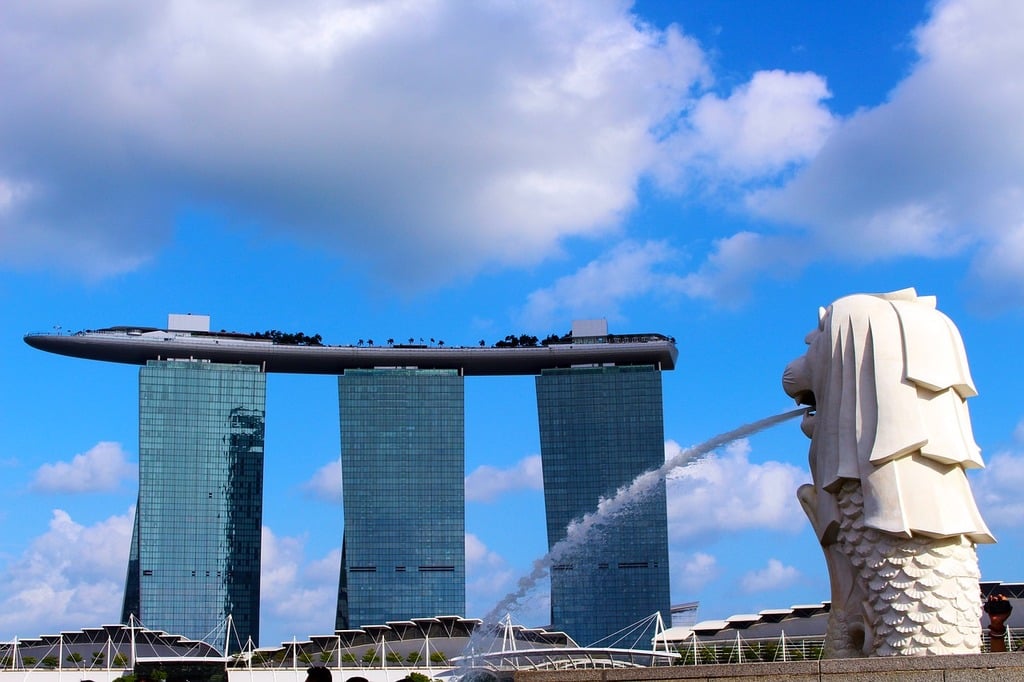
The Merlion might be cheesy, but watching sunrise behind Singapore’s skyline from Merlion Park costs nothing and provides Instagram-worthy shots. I arrived at 6 AM during my second visit and had the iconic statue practically to myself.
You do not need to stay at the famous Marina Bay Sands and the Waterfront to enjoy the view. Walk along the bay, catch the nightly light show, and take photos of the skyline.
Gardens by the Bay offers free access to its outdoor areas, though the conservatories require paid admission. The Supertree Grove looks magical at sunset, and the light show at 7:45 PM draws crowds of locals and tourists alike. I picnicked on the grass with fellow backpackers, sharing stories about our Southeast Asian adventures while watching the city lights flicker on.
The Southern Ridges walking trail connects Mount Faber to Kent Ridge Park via an elevated walkway system. The Henderson Waves bridge provides panoramic city views, and the entire walk takes about three hours. Pack water and start early to avoid the afternoon heat.
While definitely not the most pristine beaches in Southeast Asia, Sentosa Island Beaches are easy to reach for a quick swim or to relax for a few hours.
If you don’t mind paying a little bit, I highly recommend a bike tour, as the best way to see the city. It is always better when you have a guide explaining what everything is, and the breeze is very welcomed in the Singapore humidity.
Unique Urban Experiences
Haji Lane’s colourful street art scene changes constantly, with new murals appearing monthly. The narrow alley hosts independent boutiques and quirky cafes perfect for escaping the tropical heat. I spent an afternoon here during a sudden downpour, discovering local designers and chatting with shop owners about Singapore’s creative scene.
Boat Quay comes alive after dark, though drinks can be expensive. I found better value at the hawker centers along the Singapore River, where you can grab a beer and watch the city’s business district transform from day to night.
The night safari at Singapore Zoo offers a unique wildlife experience, though it’s pricier than most backpacker activities. If you’re splurging on one expensive attraction, this would be my recommendation over the standard day zoo.
The Honest Pros and Cons
Advantages of Including Singapore
Overall, Singapore really is a place, amongst the often chaos of South East Asia, that feels a bit more like the West. Personally after 3 months in the region and suffering with travel burnout, I found it a very re-energising place.
Language Barrier Relief: After weeks of pointing at menus and using translation apps, being able to communicate easily in English provides genuine relief. I could ask detailed questions about ingredients, get directions without confusion, and even engage in deeper conversations with locals about their culture and history.
Infrastructure Paradise: The public transportation system makes getting around effortless and affordable. The MRT costs a fraction of taxi fares in other Southeast Asian cities, and trains arrive every few minutes. I never waited more than five minutes for transport, a stark contrast to the hour-long waits I experienced for buses in rural Thailand.
Cultural Immersion Without Language Barriers: You can experience authentic Chinese, Indian, Malay, and Peranakan cultures without needing to speak multiple languages. This accessibility allows for deeper cultural understanding that might be difficult to achieve elsewhere in the region.
Strategic Location: Singapore serves as an excellent hub for exploring the region. I used it as a base for cheap flights to Indonesia and Malaysia, taking advantage of budget airlines like Scoot and AirAsia that offer better deals from Singapore than other regional airports.
Safety and Comfort: After weeks of watching your belongings and navigating chaotic streets, Singapore’s safety levels allow you to relax completely. I walked alone at night without concern and didn’t need to guard my belongings every second.
Disadvantages to Consider
Significant Cost Difference: Everything costs more than neighbouring countries. A dorm bed that costs 5 USD in Bangkok will be 25-30 USD in Singapore. Meals that cost 2 USD in Vietnam start at 8-10 USD here. Your daily budget will easily double or triple.
Limited Backpacker Social Scene: The hostel scene lacks the party atmosphere found in Thailand or Vietnam. Most travellers are short-term visitors rather than long-term backpackers, making it harder to find travel companions or join group activities.
Artificial Feel: Everything feels planned and controlled compared to the organic chaos of other Southeast Asian cities. Some backpackers find this sterile environment less authentic and engaging than the raw energy of places like Ho Chi Minh City or Jakarta.
Limited Time Value: You can see Singapore’s highlights in 2-3 days, while countries like Thailand or Vietnam offer months of exploration. The time-to-experience ratio favors spending those days elsewhere in the region.
Budget Breakdown for Backpackers
Based on my experiences staying in hostels and eating primarily at hawker centers, expect to spend:
Accommodation: 25-35 SGD per night for dorm beds in decent hostels. I stayed at The Pod Boutique Capsule Hotel and Adler Hostel, both offering good value in central locations.
Food: 8-15 SGD per day eating exclusively at hawker centres. Adding one restaurant meal pushes this to 20-25 SGD daily. I found Maxwell Food Centre and Chinatown Complex offered the best value for money.
Transportation: 5-8 SGD per day using the MRT and buses. The EZ-Link card provides small discounts and eliminates the need for exact change.
Attractions: 0-20 SGD per day depending on choices. Many of the best experiences like walking through cultural districts and enjoying free light shows cost nothing.
Total Daily Budget: 40-80 SGD (30-60 USD) depending on your comfort level and activities chosen.
Alternative Destinations to Consider
If Singapore’s costs concern you, consider these alternatives that offer similar benefits:
Kuala Lumpur, Malaysia: Provides cultural diversity and modern infrastructure at half the price. The food scene rivals Singapore’s, and the hostel community is more vibrant. I spent a week there and found it offered 70% of Singapore’s benefits at 40% of the cost.
George Town, Penang: Offers incredible food and colonial architecture with a more relaxed pace. The UNESCO World Heritage site provides cultural depth that Singapore sometimes lacks, though it’s less cosmopolitan.
Bangkok, Thailand: While more chaotic, Bangkok’s diverse neighborhoods and incredible food scene provide similar cultural experiences at backpacker-friendly prices. The infrastructure has improved significantly in recent years.
The Singapore Free Transit Tour Alternative
For backpackers with layovers of six hours or more, Singapore offers free city tours through Changi Airport that provide a taste of the city without the accommodation costs. I did this once during a stopover between Kathmandu and Jakarta, and many other people on the tour used it to experience Singapore’s highlights during connections to Australia or Europe, essentially getting a free city preview.
These tours run multiple times daily and cover key highlights like Gardens by the Bay or the cultural districts, lasting 2.5 to 5.5 hours depending on your layover length. The tours include transportation, a guide, and sometimes refreshments, making them an excellent way to stretch your legs and see something new during long layovers. While you won’t have time for deep exploration or multiple hawker centre visits, the transit tours offer a practical middle ground for budget-conscious travellers who want a Singapore experience without the full expense of an overnight stay.
You can of course do this on your own accord if you have a long stopover and meet entry requirements, just be careful not to miss your next flight.
So, Is Singapore Worth Visiting?
Singapore is worth visiting if you are curious about how a modern Asian city works, love diverse food, and want a few days of comfort between rougher backpacking stops. It is not a place to linger for weeks unless you have the budget, but as a short break from night buses and beach bungalows, it can be a refreshing part of your Southeast Asia trip.
Singapore works best for backpackers who:
- Have flexible budgets and don’t mind spending more for convenience
- Appreciate urban experiences over natural landscapes
- Want a break from language barriers and navigation challenges
- Are interested in cultural fusion and modern Asian society
- Need a transit hub for flights to other destinations
Skip Singapore if you:
- Are on an extremely tight budget, although it can be done.
- Prefer authentic, unpolished travel experiences
- Want to maximize time exploring diverse landscapes
- Are seeking the backpacker party scene
- Prefer destinations where your money stretches further
Maximizing Your Singapore Experience
If you decide to visit, consider these strategies I learned through multiple trips:
Time Your Visit: Two to three days provides enough time to experience the highlights without straining your budget. I found four days too long and one day too rushed.
Stay in Chinatown or Little India: These areas offer the best hostel values and keep you close to excellent food options. The cultural immersion begins the moment you step outside.
Eat Like a Local: Avoid restaurant meals except for one special dinner. Hawker centers provide authentic experiences at local prices while supporting small family businesses.
Mix Free and Paid Activities: Balance expensive attractions with free experiences. Gardens by the Bay’s outdoor areas are free, while the conservatories cost money but offer unique experiences you cannot find elsewhere.
Use Singapore as a Base: If you have flights to catch or need to reset your Southeast Asia journey, Singapore’s location and infrastructure make it an excellent hub for regional travel.
Singapore deserves consideration in any comprehensive Southeast Asian journey, but only if you understand what you’re getting into. The city-state offers experiences unavailable elsewhere in the region, but at costs that can quickly drain a backpacker budget. Whether it’s worth visiting depends entirely on your priorities, budget flexibility, and what you’re seeking from your Southeast Asian adventure.
The key is honest self-assessment about your travel style and financial situation. Singapore can provide incredible memories and cultural insights, but only if you approach it with realistic expectations about costs and experiences. For many backpackers, it represents a perfect mid-journey break that recharges both body and spirit for the adventures that lie ahead.



By adding us a preferred source you'll see Backpacker Advice more often in your Google searches.