







How to Withdraw or Obtain Argentine Pesos: A Traveller’s Guide

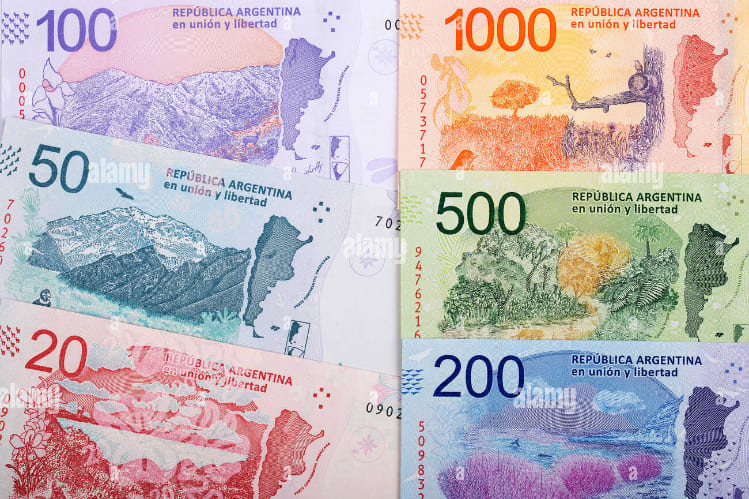
Argentina is a country of breathtaking contrasts, from the thundering Iguazú Falls and vast Patagonian landscapes to the tango-filled streets of Buenos Aires. It offers rich culture, world-class food and unforgettable adventures at every turn. Unfortunately, while it remains a fantastic destination, travellers today will find they get fewer pesos for their home currency than in the past, making it important to plan ahead to get the best possible exchange rate.
Understanding Argentina’s Economic and Currency Challenges
Argentina has been grappling with a persistent monetary crisis since around 2018, marked by high inflation, strict currency controls, and a widening gap between the official and unofficial exchange rates. As of late 2024, inflation had soared to approximately 117 % annually, though reforms have brought it down significantly by early 2025.
President Javier Milei’s administration has embraced austerity and monetary reform. By mid-2025, inflation had dropped to its lowest in over three years. Despite these gains, the peso remains overvalued, and capital controls, such as limited access to foreign exchange, are still gradually being eased.
Why Withdrawing Cash in Argentina is Difficult
- ATM withdrawal limits and high fees: Local ATMs cap withdrawals, often low amounts, and impose steep charges. Tourists commonly pay 10–15 % of the withdrawal value in fees.
- Unfavourable exchange rates: ATMs use the official rate. The black-market or “blue” rate can offer about double the value for your dollars.
- Cash shortages: ATMs frequently run out, especially before weekends or public holidays.
Best Strategies to Obtain Pesos Cheaply
- Bring US dollars in high-denomination, crisp bills
Carry fresh US $50 or US $100 bills for the best informal exchange rates from licensed money changers (“cuevas”). - Use Western Union or similar services
Sending money to yourself via Western Union allows you to pick up pesos at a better rate than ATMs. It can be cheaper, more reliable, and safer. - Avoid relying on ATMs unless it’s an emergency
Due to low limits and high fees, ATMs should remain a fallback option only. - Use travel-friendly cards with no foreign ATM fees
Consider cards like Revolut that reimburse ATM withdrawal fees up to a limit and use interbank rates. You will still face local ATM operator charges. - Plan ahead in rural areas
Outside major cities, banks may lack ATM availability. It is best to withdraw larger amounts where possible before travelling to remote regions.
Additional Tips
- Carry small peso notes for everyday purchases, as getting change can be difficult.
- Prebook accommodation and tours using cards in your home currency to reduce reliance on cash.
- Spend leftover pesos before departure, as converting back internationally often yields poor rates.
Summary Table
| Method | Pros | Cons |
|---|---|---|
| Bring USD cash | Best rates from informal changers | Must ensure safety and bill quality |
| Western Union or similar | Good rates, accessible, safe | Transfer or pickup fees apply |
| ATM withdrawals | Convenient in emergencies | Low limits, costly, unfavourable rate |
| Travel cards (e.g. Revolut) | Interbank rate, fee reimbursement | Local ATM charges still apply |
Final Thoughts
Argentina’s currency situation in 2025 remains challenging for travellers. ATM fees are high and access is restricted. The most cost-efficient and practical approach is to bring high-quality US dollars and exchange them through reputable channels, so make sure you plan ahead. Western Union or similar services can be safer and often cheaper than ATMs. Travel cards help, but they do not eliminate local ATM charges.



By adding us a preferred source you'll see Backpacker Advice more often in your Google searches.