
Coolcation Destinations 2026: A Guide to Beating the Summer Heat

Forget sweating through the streets of Athens or battling crowds in Barcelona. The coolcation trend is taking over summer travel, and for good reason. As someone who spent last summer dodging heatwaves across Southern Europe, I can tell you that there is something deeply refreshing about escaping to places where you can actually explore during daylight hours without feeling like you are melting.
Coolcations are exactly what they sound like: travel to destinations with cooler climates, typically during the warmer months. This is not just about temperature though. It is about discovering places that have been overlooked, spending less money, and having more authentic experiences without the tourist hordes. Google searches for cooler destination holidays have increased by nearly 3000 percent, and after experiencing it myself, I understand why.
Why Coolcations Are Perfect for Backpackers
Let me be honest. I originally planned a Mediterranean summer trip in 2024, but after watching Greece shut down tourist sites due to extreme heat and hearing about 25 percent drops in Italian beach visitors, I changed course. Best decision I ever made.
Coolcation destinations offer several advantages for budget travellers. First, you will spend less on accommodation. Eastern European hostels cost around 15 to 20 euros per night compared to 40 euros or more in Western hotspots. Second, you will avoid the worst of overtourism. Third, cooler weather means you can actually do things during the day rather than hiding indoors until sunset.
The appeal goes beyond just escaping heat. Many coolcation destinations offer incredible natural beauty, from Norwegian fjords to Canadian Rockies, alongside rich cultural experiences that feel more genuine when you are not surrounded by thousands of other tourists.
The Baltic States: Europe’s Best-Kept Budget Secret
I spent three weeks exploring Estonia, Latvia and Lithuania, and I cannot recommend this region enough for backpackers. The Baltic States offer medieval cities, pristine beaches, dense forests and prices that will make you weep with joy after Western Europe.
Estonia
Tallinn is like stepping into a fairy tale. The Old Town has cobblestone streets, medieval architecture and some of the best value nightlife in Europe. But here is the insider tip: skip the crowds and head to Tartu. This university town has underground cellar bars, a thriving intellectual scene and barely any tourists. I stayed in a hostel for 15 euros a night and spent my days exploring castles and caves in nearby Sigulda.
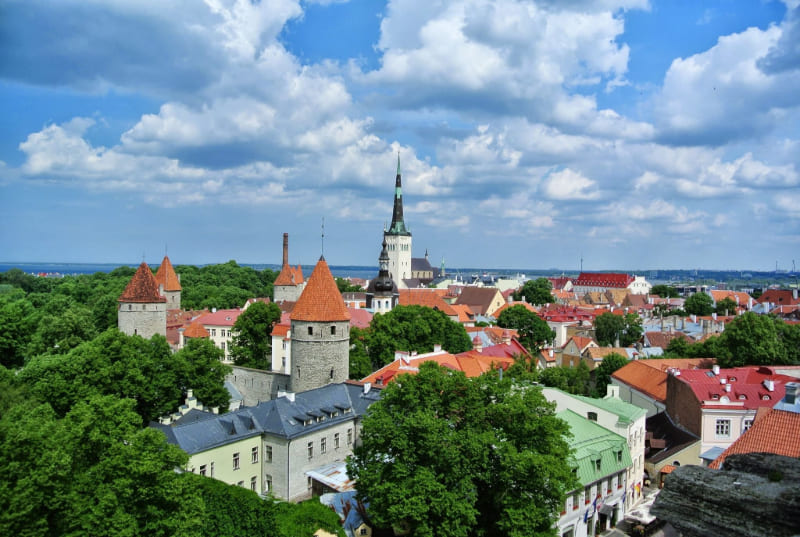
Summer temperatures hover around 20 to 22 degrees Celsius, perfect for hiking and cycling. The days are incredibly long too. The sun does not set until 11pm, giving you endless time to explore.
Latvia
Riga combines stunning Art Nouveau architecture with a burgeoning food scene. The Naughty Squirrel Hostel (seriously, that is its name) has been ranked one of the best hostels in the world and hosts nightly events that make meeting fellow travellers effortless. Outside Riga, the beaches along Latvia’s coast are surprisingly beautiful, backed by pine forests and completely empty compared to Mediterranean shores.
You can comfortably travel here on 50 to 70 euros per day, including accommodation, food and a few beers. That same budget might get you one night in a basic hotel in Paris.
Lithuania
Vilnius was my unexpected favourite. The city has an edgy, artistic vibe reminiscent of Berlin but without the prices. Make sure to visit Užupis, a self-declared republic within the city where you can get your passport stamped. Jimmy Jumps House hostel serves waffles for breakfast and has one of the friendliest atmospheres I have encountered.
The best part about the Baltics? You can easily travel between all three countries by bus. Lux Express coaches are comfortable, affordable and connect all major cities. I spent about 30 euros total on intercity transport over three weeks.
Norway: Epic Landscapes Without the Mediterranean Meltdown
Norway has seen a massive surge in coolcation travellers, and after visiting, I completely understand why. Yes, it is more expensive than the Baltics, but hear me out. The landscapes are genuinely some of the most spectacular on Earth.
I based myself in Bergen and took day trips to nearby fjords. While accommodation is not cheap (expect 30 to 40 euros for a hostel bed), you can save money by cooking your own meals and taking advantage of free activities. Hiking is free, and Norway has thousands of trails with views that will make your Instagram followers deeply jealous.
The weather in summer sits comfortably in the mid-20s Celsius. I wore a light jumper most evenings, which felt incredible after hearing about 40-degree heatwaves hitting Spain and Italy simultaneously.
One money-saving tip: buy alcohol from Vinmonopolet shops rather than bars and restaurants. Norwegian alcohol prices in establishments will make you cry, but purchasing from these state-run stores and enjoying drinks at hostels or outdoors is far more budget-friendly.
Iceland: Not Just for Winter Northern Lights
Everyone thinks of Iceland as a winter destination, but summer offers something equally special: midnight sun and comfortable temperatures. I visited in July and experienced 22 hours of daylight, which meant I could hike, explore and take photos basically whenever I wanted.
The Blue Lagoon gets all the attention, but Iceland has countless natural hot springs that cost nothing. I found several just by asking locals and spent evenings soaking while watching the never-setting sun.
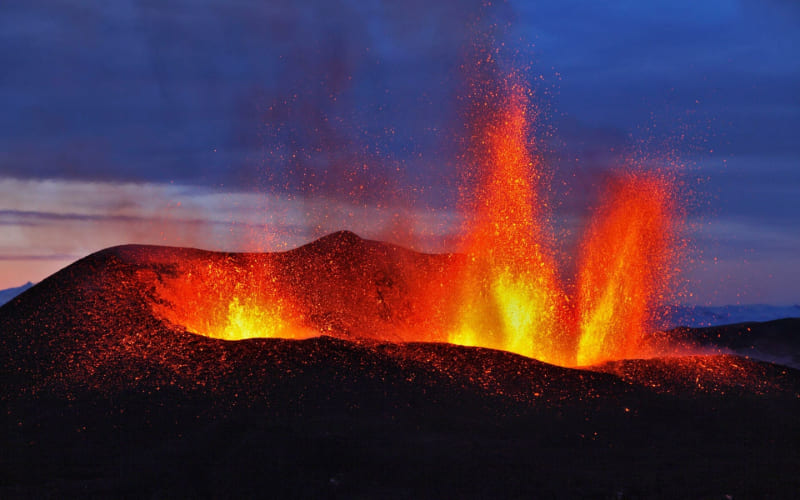
Budget tip: Iceland is expensive, but camping is legal almost everywhere thanks to the Right to Roam laws. I met backpackers who were camping and cooking their own meals, keeping their daily budget around 40 to 50 euros. Hitchhiking is also common and relatively safe here, especially in summer when tourist traffic is high.
The Canadian Rockies: Budget-Friendly If You Do It Right
Canada looks expensive, and it can be if you are not careful. However, I met several backpackers who were exploring the Canadian Rockies on tight budgets. The secret? Camping, cooking your own meals and focusing on free activities.
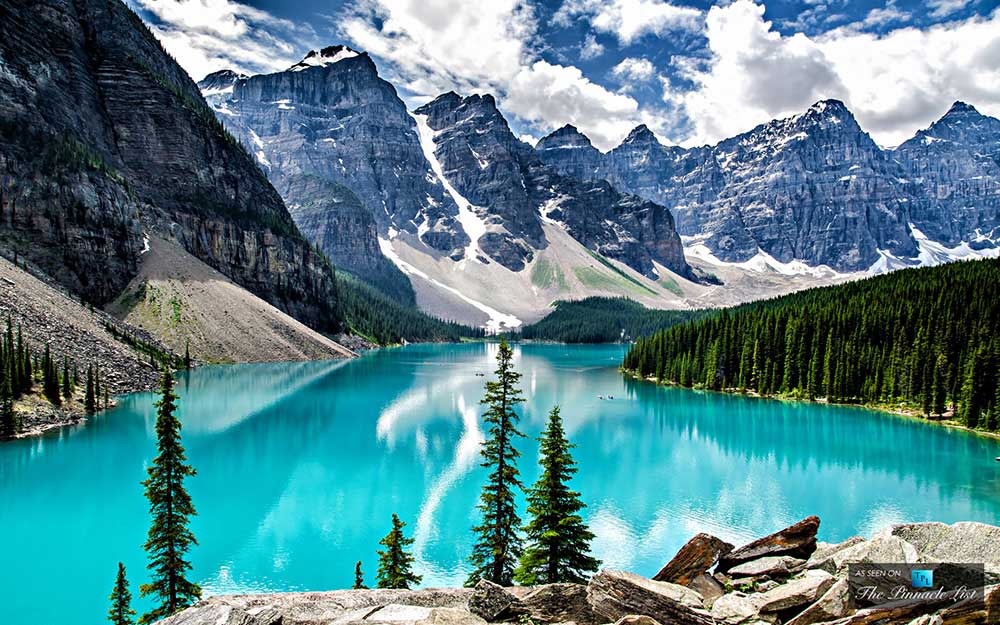
The landscapes are absolutely stunning: turquoise glacial lakes, towering mountain peaks and wildlife everywhere. I saw elk wandering through town casually in the evening. Summer temperatures range from 15 to 25 degrees Celsius, perfect for hiking.
Parks Canada offers excellent campgrounds for around 20 to 30 Canadian dollars per night. Many hostels in nearby towns like Canmore offer dorm beds for similar prices and often have kitchens where you can prepare meals.
The hiking here is world-class and completely free. Lake Louise, Moraine Lake and countless trails offer experiences that rival anything you will see in Europe, without the crowds you would face at popular Alpine destinations.
Patagonia: The Ultimate Coolcation Adventure
For backpackers with more time or those doing South American circuits, Patagonia offers some of the most remote and stunning coolcation experiences available. I spent two weeks here and it remains one of my favourite travel experiences ever.
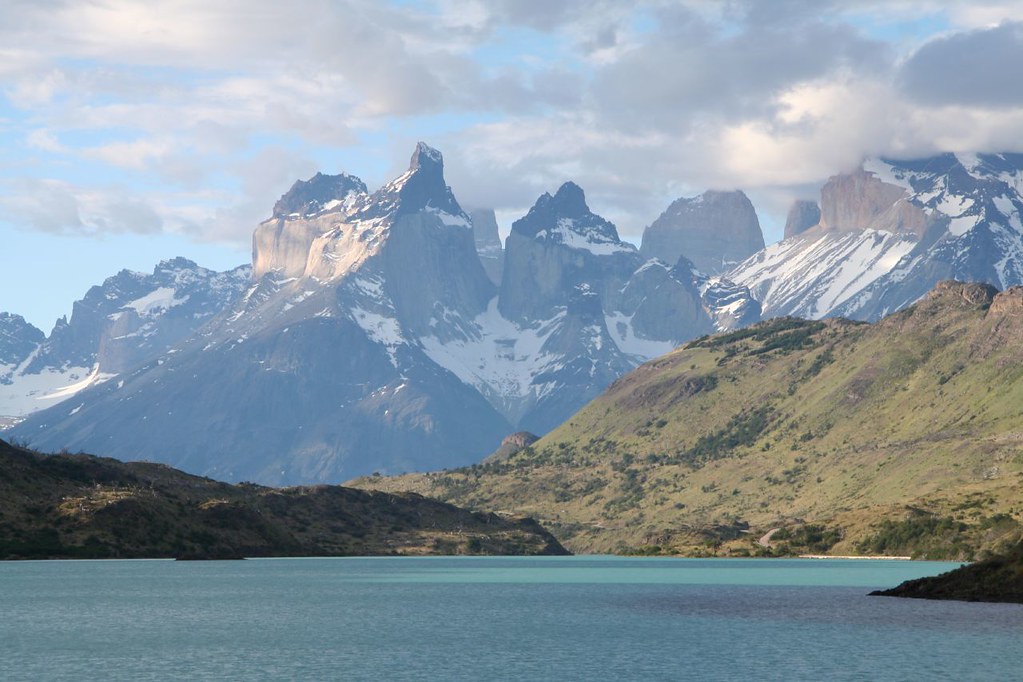
Both the Chilean and Argentine sides offer incredible value compared to mainstream European destinations. Hostel beds in El Calafate and Puerto Natales cost around 15 to 25 US dollars per night. The region sees temperatures around 10 to 18 degrees Celsius in summer (December to February in the Southern Hemisphere), which feels refreshing after months of backpacking through warmer climates.
How to Withdraw or Obtain Argentine Pesos: A Traveller’s Guide
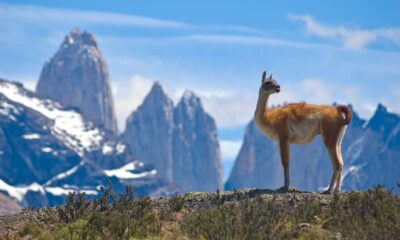
Torres del Paine National Park in Chile and Los Glaciares National Park in Argentina offer some of the most dramatic landscapes on Earth. I did the W Trek in Torres del Paine, camping along the way, and spent about 200 US dollars total including park fees, camping and food for five days.
The backpacker infrastructure here is excellent. Everyone is doing similar trips, making it easy to meet people and share transport costs. I joined up with other travellers to split the cost of renting a car for day trips, bringing expenses down significantly.
Eastern Europe Beyond the Baltics
If the Baltic States appeal to you, consider extending your coolcation journey through wider Eastern Europe. Countries like Poland, Czech Republic and Slovakia offer similar advantages: affordable prices, rich history and comfortable summer temperatures.
Poland surprised me with its value. Krakow has stunning architecture, heavy history and hostel beds for 10 to 15 euros per night. The food is hearty and delicious, with full meals costing under 5 euros at local restaurants. Summer temperatures hover around 20 to 25 degrees, much more comfortable than Southern Europe’s extremes.
Prague and Budapest are slightly pricier than other Eastern European cities but still offer better value than Western capitals. Both cities have excellent hostel scenes and are packed with young travellers, making them great places to meet people and potentially find travel companions for onward journeys.
Practical Tips for Coolcation Backpacking
Based on my experiences, here are some practical tips for planning your coolcation:
Pack layers. Coolcation destinations have variable weather. I learned this the hard way in Norway when I only brought t-shirts and had to buy an overpriced jumper. Bring a light jacket, long trousers and something waterproof.
Travel Packing List: What To Take Backpacking Around The World
Book transport in advance when possible. Buses and trains in places like the Baltics and Scandinavia are efficient but can fill up during summer. Booking a week or two ahead often saves money too.
Stay in hostels with kitchens. Grocery shopping and cooking your own meals makes expensive destinations like Norway and Iceland far more manageable. I cut my daily food budget in half this way.
Staying In Hostels While Travelling: Advice and Survival Tips
Take advantage of long daylight hours. Summer days in Northern destinations are incredibly long. Use this to your advantage by starting activities early or late when attractions are less crowded.
Consider camping. Many coolcation destinations have excellent camping infrastructure. This dramatically reduces accommodation costs and often puts you in stunning natural settings. Wild camping is legal in Scotland, Norway and Iceland (with some restrictions), opening up even more budget-friendly options.
Join free walking tours. Most cities in Eastern Europe and Scandinavia offer free walking tours (tip-based). These are excellent for orientation, meeting other travellers and getting insider recommendations from local guides.
Download offline maps. Many coolcation destinations have areas with limited mobile coverage. Offline maps saved me multiple times in rural Iceland and hiking in Patagonia.
The Environmental Angle
There is an added benefit to coolcations that I have not mentioned yet: they are often more sustainable than traditional summer hotspots. By visiting destinations outside peak tourist seasons or choosing less-travelled areas, you help distribute tourism more evenly and reduce strain on over-visited locations.
Many coolcation destinations also prioritise sustainability. The Nordic countries lead the world in environmental policy, and choosing to visit these places supports their green initiatives. I noticed far more recycling facilities, excellent public transport and genuine commitment to preserving natural spaces compared to heavily touristed Mediterranean areas.
Eco-Conscious Packing: 10 Reusable and Sustainable Travel Products
Is the Coolcation Trend Here to Stay?
After experiencing it firsthand, I believe coolcations represent the future of summer travel for backpackers. The combination of affordability, comfort, authenticity and reduced crowds creates a travel experience that traditional hotspots increasingly struggle to match.
Climate change is making summer travel to Southern Europe progressively more challenging. Record temperatures, wildfires and heat-related closures of tourist attractions are becoming the norm rather than the exception. Meanwhile, coolcation destinations offer stable, pleasant conditions alongside experiences that feel more adventurous and less packaged.
For young travellers and backpackers specifically, coolcations offer something else: a chance to go somewhere your friends have not been yet. Instead of posting the same Santorini sunset photo as everyone else, you can share images of Norwegian fjords, Estonian medieval towns or Patagonian glaciers that feel genuinely unique.
Final Thoughts
My coolcation summer was transformative. I spent less money, met more interesting people and had experiences that felt authentic rather than orchestrated for tourists. The weather was perfect for actually doing things rather than hiding from the sun, and I left feeling refreshed rather than exhausted.
If you are planning summer travel for 2026, seriously consider going cool instead of hot. Whether you choose the budget-friendly Baltics, the dramatic landscapes of Norway and Iceland, or the remote wilderness of Patagonia, you will discover that some of the best travel experiences happen when you go against the crowd.
The coolcation trend is not just about avoiding heat. It is about seeking authenticity, value and adventure in places that have been overlooked for too long. Pack a jumper, download those offline maps and prepare for a summer unlike any other. Your wallet, your Instagram feed and your heat-exhausted future self will thank you.



By adding us a preferred source you'll see Backpacker Advice more often in your Google searches.