Things to Do In and Around Cusco, Peru

Cusco is one of those cities that completely exceeded my expectations. I initially saw it as just a jumping-off point for Machu Picchu, but I ended up spending nearly two weeks there and still felt like I had barely scratched the surface.
Sitting at 3,399 metres above sea level in the Peruvian Andes, Cusco was once the capital of the Inca Empire and remains one of the most culturally rich cities in South America. The combination of Inca ruins, Spanish colonial architecture, vibrant backpacker scene, and access to some of the best trekking in the world makes it an essential stop on any South American adventure.
Here is everything you need to know about what to do in and around Cusco, based on my own experiences and countless conversations with other backpackers at hostels across the city.
Getting to Cusco and Dealing with Altitude
Most international travellers fly into Lima and then catch a domestic flight to Cusco (about 1.5 hours). Flights can be surprisingly affordable if you book in advance, sometimes as cheap as £30-50 one way.
The overland route is also popular with backpackers. The bus from Lima takes 20-22 hours but gives you a chance to see the changing landscapes. It is not the most comfortable journey, but it saves on accommodation for a night. Buses from Arequipa (10 hours) or Puno (7 hours) are more manageable options.
The altitude will hit you. I do not care how fit you think you are. When I arrived in Cusco, I felt fine for about an hour, then suddenly felt like I had the worst hangover of my life. Headaches, nausea, breathlessness from climbing stairs, the works.
Give yourself at least 2-3 days to acclimatise before doing any serious trekking or tours. Drink loads of coca tea (available everywhere), avoid alcohol for the first day or two, take it easy, and consider altitude sickness pills if you are particularly worried. Most hostels have oxygen bottles available if you are really struggling.
Things to Do in Cusco City Centre
Explore Plaza de Armas
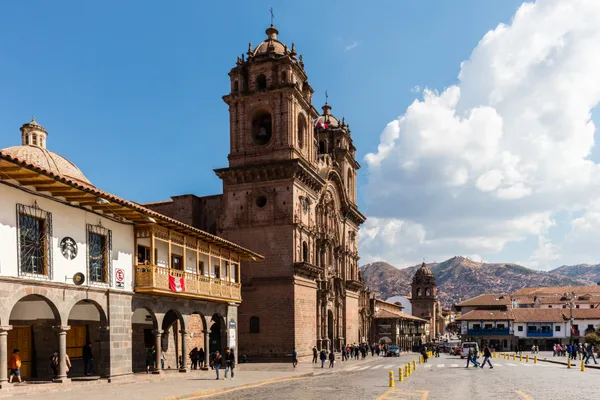
The main square is the heart of Cusco and absolutely stunning, especially at night when everything is lit up. The cathedral and the Church of La Compañía de Jesús dominate the plaza, both worth visiting for their ornate interiors and religious art.
I spent hours just sitting on the steps watching the world go by. There are always street performers, local women in traditional dress posing for photos (they will expect a small tip), and tourists getting harassed by people trying to sell paintings and tours.
Top tip: The cathedral entry costs 25 soles (about £5) but is genuinely impressive. Go in the morning to avoid crowds.
Wander San Blas Neighbourhood
San Blas is the artsy, bohemian quarter of Cusco with narrow cobblestone streets, galleries, craft shops, and some excellent cafes. It is built on a hillside, so be prepared for some serious uphill walking, but the views over the city are worth it.
The San Blas Church is worth popping into for its incredibly ornate wooden pulpit, considered one of the finest examples of colonial woodcarving in the Americas.
This neighbourhood has some of the best restaurants in Cusco. I had incredible alpaca steak at a tiny place called Granja Heidi and the best empanadas of my life from a street vendor near the main square.
Visit San Pedro Market
This is where locals actually shop, and it is brilliant for people watching and cheap food. The fruit juice stalls make fresh juices for 2-3 soles (40-60p), and you can get a full lunch (menu del día) for 5-8 soles (£1-1.60).
The market also has a slightly sketchy section where shamans sell bizarre potions and dried llama foetuses used in traditional ceremonies. It is fascinating if you are into that sort of thing, but watch your belongings as the market can get crowded.
Go early in the morning for the best atmosphere. By afternoon, it is packed and the fish section starts to smell pretty ripe.
Walk to Cristo Blanco and Sacsayhuamán
This is a great acclimatisation walk on your first or second day. From Plaza de Armas, you can walk up through San Blas and continue climbing to the massive Christ statue overlooking the city.
The views are spectacular, and you will pass through residential neighbourhoods where you will see actual Cusco life rather than just tourist areas. Continue a bit further to reach Sacsayhuamán, the impressive Inca fortress with enormous stone walls.
Entry to Sacsayhuamán requires the Boleto Turístico (tourist ticket), but you can view the ruins from outside the entrance area for free. The walk takes about 45 minutes uphill from the centre, or you can catch a taxi for 10-15 soles.
Safety note: This walk is generally safe during daylight hours, but several backpackers have been robbed on the quieter paths. Go with others if possible, do not take anything valuable, and definitely avoid doing this walk after dark.
Museums Worth Visiting
Qorikancha (Temple of the Sun): This was the most important temple in the Inca Empire, and the Spanish built a church on top of it. You can see both the Inca stonework and colonial additions. Entry is 15 soles and it takes about an hour to explore properly.
Museo de Arte Precolombino: Excellent collection of pre-Columbian art in a beautiful colonial mansion. Entry is 20 soles but worth it if you are interested in history. The courtyard restaurant is stunning but pricey.
ChocoMuseo: Free entry and they explain the chocolate-making process from bean to bar. You can take chocolate-making workshops (around 80 soles) which are genuinely fun, especially on a rainy day.
Day Trips and Tours from Cusco
Sacred Valley Tour
This is the most popular day trip from Cusco and for good reason. The Sacred Valley contains some of the most important Inca sites outside of Machu Picchu, and the scenery is absolutely stunning.
A typical tour includes:
Pisac: Famous for its Sunday market (though it runs every day now) and impressive ruins perched on a mountainside. The ruins are far more interesting than the market in my opinion, but most tours only give you time for one or the other.
Ollantaytambo: A living Inca town with incredible ruins built into the mountainside. This is one of my favourite Inca sites in Peru. The town itself is fascinating, with original Inca stonework still used as foundations for modern buildings.
Chinchero: Known for its textile market where local women demonstrate traditional weaving techniques. It feels quite touristy, but the demonstrations are genuinely interesting if you have not seen them before.
Most organised Sacred Valley tours cost around £15-25 and include transport, a guide, and stops at the main sites. Entry to the ruins requires the Boleto Turístico (130 soles for the full ticket, 70 soles for a partial ticket covering the Sacred Valley sites).
You can also visit these places independently using local buses and colectivos, which is cheaper but requires more time and effort to organise. If you are on a tight budget and have plenty of time, DIY is definitely doable. But for the small price difference, having a guide explain the history and significance of each site adds a lot to the experience.
Rainbow Mountain (Vinicunca)
Rainbow Mountain absolutely blew up on Instagram a few years ago, and now everyone wants to go. The mountain’s striking striped colours are caused by mineral deposits, and it genuinely does look surreal in person.
Here is the reality: the tour is brutal. You leave Cusco around 3-4am, drive for 3-4 hours on bumpy roads, then hike for 2-3 hours to reach the viewpoint at 5,200 metres altitude. Then you hike back down and endure another 3-4 hours in the van back to Cusco.
I did this on my third day in Cusco (stupid) and genuinely thought I was going to die. The altitude makes the hike incredibly difficult, even though it is not technically challenging. Everyone is gasping for air, and there are horses available if you cannot make it on foot (no shame in taking one).
That said, the views are absolutely worth it if you are properly acclimatised. Tours cost around £20-30 and include transport, breakfast, lunch, and a guide. Go with a smaller group if possible as the big tour buses create massive crowds at the viewpoint.
Alternative: Some operators now offer tours to Palccoyo, a less-visited but equally colourful mountain that is much easier to reach. The hike is shorter and at lower altitude, though the views are not quite as dramatic.
Maras and Moray
This is a half-day tour that works well if you do not want a full day out. Moray contains circular agricultural terraces that the Incas used as a kind of laboratory to experiment with growing different crops at various altitudes. It is fascinating from a historical perspective, though visually it is just terraced circles.
Maras Salt Mines are far more photogenic. Thousands of salt pools cascade down the mountainside, still harvested using traditional methods. You can walk through the pools (carefully) and buy high-quality salt directly from workers for next to nothing.
Tours cost around £15-20 for the half day. You can also visit independently by taking a colectivo to Maras village and then hiking or taking a taxi to the sites.
Humantay Lake
Another high-altitude trek (4,200 metres) to a stunning turquoise glacial lake. The hike is shorter than Rainbow Mountain (about 1.5 hours each way) but still challenging due to altitude.
Tours leave early morning and cost around £20-25. The lake is beautiful, but if I am being honest, after doing several high-altitude day trips, they start to blur together a bit. If you can only choose one, I would pick Rainbow Mountain or spend your energy on a multi-day trek instead.
Quadbiking in the Sacred Valley
If you fancy something more adventurous, several operators offer quad biking tours through the Sacred Valley. You visit Maras, Moray, and the salt mines, but on quad bikes rather than in a tour bus.
It is great fun, though you will end up absolutely covered in dust. Tours cost around £30-40. Make sure the operator provides proper helmets and insurance, as some of the cheaper ones are pretty sketchy.
Multi-Day Treks from Cusco
Classic Inca Trail to Machu Picchu (4 days)
The classic trek and the most popular way to reach Machu Picchu. You hike for four days through stunning mountain scenery, passing multiple Inca ruins, and arrive at Machu Picchu through the Sun Gate at sunrise.
Permits are required and limited to 500 people per day (including guides and porters). They sell out months in advance, especially for the dry season (May to September). You cannot do this trek independently; you must book through a licensed operator.
Prices vary wildly depending on the operator, ranging from around £300 for budget operators to £800+ for luxury services. The price usually includes permits, guides, porters, camping equipment, and meals.
I did not do the Inca Trail because it was booked out when I tried to arrange it two months before. This is a common problem, so if you are set on doing this trek, book as far in advance as possible.
Salkantay Trek to Machu Picchu (4-5 days)
This has become the most popular alternative to the Inca Trail, and many people argue it is actually more spectacular. The trek takes you over the Salkantay Pass at 4,650 metres (bring warm clothes), through cloud forest, past coffee plantations, and eventually to Machu Picchu.
No permit is required, so it is easier to book last-minute. Tours cost around £200-550 depending on the operator and comfort level. Some companies now offer luxury versions with proper beds and hot showers, though that rather defeats the point in my opinion.
The landscape diversity is incredible. You start in freezing high-altitude mountains and end in subtropical jungle. It is more challenging than the Inca Trail but less crowded.
Other Trek Options
Lares Trek (3-4 days): Focuses more on cultural experiences, passing through traditional Andean villages. Less crowded than Inca Trail or Salkantay, and you can combine it with a visit to Machu Picchu. Around £250-400.
Choquequirao Trek (4-5 days): For serious hikers. This trek visits the ‘other Machu Picchu’, extensive ruins that receive only a fraction of the visitors. It is tough, with massive descents and ascents, but incredibly rewarding. Around £300-500.
Ausangate Trek (4-6 days): Circumnavigates the sacred Ausangate mountain, reaching altitudes over 5,000 metres. Spectacular scenery but very challenging. Only for experienced trekkers who are well-acclimatised. Around £350-550.
All multi-day treks should be booked through reputable operators. There are dozens of agencies in Cusco, and quality varies enormously. Do your research, read recent reviews, and do not just go with the cheapest option. Your safety and the treatment of porters depend on choosing ethical operators.
Booking Treks: Last-Minute vs Advance
Cusco is famous for last-minute tour deals. Walk down any street and you will be bombarded by people trying to sell you tours, often at significantly reduced prices.
For day trips and simple tours, booking last-minute can save you money. For multi-day treks, especially during high season, booking in advance is crucial. The Inca Trail sells out months ahead, and even alternative treks fill up during peak times.
I recommend researching operators online before you arrive, reading reviews carefully, then visiting their offices in person to ask questions and negotiate prices. Many companies offer discounts if you book multiple people together or if you are flexible with dates.
Adventure Activities Around Cusco
White Water Rafting
The Urubamba River offers excellent rafting, with sections suitable for beginners through to advanced rafters. Half-day trips cost around £25-40 and usually run class II-III rapids, which is exciting without being terrifying.
Full-day trips venture into class IV-V territory and cost around £50-70. Tours include transport, equipment, lunch, and guides. The scenery through the Sacred Valley is spectacular.
Ziplining in the Sacred Valley
Several companies offer zipline courses with stunning views over the Sacred Valley. The longest line is about 500 metres and you absolutely fly. Costs around £30-50 depending on the course.
It is good fun, though definitely tourist-focused. If you have ziplined before, this will not blow your mind, but the setting is beautiful.
Mountain Biking
Various tours offer mountain biking through the Sacred Valley and surrounding areas. The downhill route from Abra Málaga pass is popular, dropping from 4,350 metres down to the cloud forest at around 1,200 metres.
Tours cost around £40-70 and include bike rental, protective gear, transport, and a guide. You need to be a confident cyclist as the roads can be rough and traffic is unpredictable.
Paragliding
If you want a bird’s eye view of the Sacred Valley, paragliding is available from various spots around Cusco. Tandem flights cost around £60-100 and last 15-30 minutes depending on conditions.
I did this on a perfect sunny afternoon and it was incredible floating above the valley with Andean peaks all around. Make sure to book with an operator that has good safety records and proper insurance.
Where to Stay in Cusco
Cusco has absolutely loads of hostels, from party spots to quiet boutique places. Most backpackers stay in San Blas for the atmosphere or closer to Plaza de Armas for convenience.
Budget Hostels (£5-10 per night): Wild Rover is the most famous party hostel, with a bar attached and a legendary reputation. If you want to meet people and have messy nights, this is your spot. If you want sleep, stay elsewhere.
Kokopelli is another party favourite with a pool table, bar, and social atmosphere.
Mid-Range Hostels (£10-20 per night): Pariwana Cusco has excellent facilities, good breakfast, and a social atmosphere without being a full-on party hostel. Great middle ground.
Selina Plaza de Armas is in a prime location and popular with digital nomads. Good co-working space if you need to get work done.
Quiet/Boutique Options (£15-30 per night): Milhouse Hostel Cusco gets good reviews for being social but not crazy loud. Decent breakfast and clean facilities.
There are also countless Airbnbs and guesthouses if you prefer your own space. San Blas neighbourhood has beautiful boutique hotels, though these are obviously pricier.
Food and Nightlife
Where to Eat
Cusco has fantastic food ranging from cheap local spots to high-end restaurants showcasing Peruvian cuisine.
Budget Eats: San Pedro Market has the cheapest meals in town. Menu del día (set lunch) costs 5-8 soles and includes soup, main course, and a drink.
San Blas neighbourhood has loads of small restaurants offering set menus for 12-20 soles.
Mid-Range: Morena Peruvian Kitchen does excellent Peruvian food at reasonable prices (mains around 25-40 soles). Their lomo saltado is incredible.
Pachapapa in San Blas has a beautiful courtyard setting and serves traditional Andean food including cuy (guinea pig) if you are brave enough to try it.
Green Point is the best vegetarian restaurant in Cusco with excellent set menus for 20-25 soles.
Splurge Options: Chicha by Gastón Acurio is run by Peru’s most famous chef. Expect to pay 60-100 soles for a main, but the food is exceptional.
Cicciolina in San Blas does Mediterranean-Peruvian fusion in a gorgeous setting. Mains around 50-80 soles.
Drinking and Nightlife
Cusco’s nightlife is excellent, though remember you are at altitude so alcohol hits harder than usual.
Most hostels have bars attached where you can start the evening with cheap drinks and meet other travellers. Wild Rover, Kokopelli, and Loki all have lively bar scenes.
Plaza de Armas has numerous bars with balconies overlooking the square. Norton Rat’s Tavern is a backpacker institution with pool tables, sports on TV, and a friendly atmosphere.
20 Unforgettable Things to Do in La Paz
Km 0 is a popular club playing a mix of Latin and international music. Gets absolutely packed on weekends. Cover charge is usually 20-30 soles including a drink.
Mama Africa is another big club popular with backpackers. Expect reggaeton, cumbia, and the occasional tourist attempting salsa.
Most bars and clubs stay open until 2-3am. Carry your passport or a copy as ID is often checked at club entrances.
Practical Information
Boleto Turístico (Tourist Ticket)
Many of the major sites around Cusco require this combined ticket rather than individual entrance fees. There are different versions:
Full Ticket (130 soles, valid 10 days): Covers 16 sites including Sacsayhuamán, Pisac, Ollantaytambo, Chinchero, Moray, and various museums in Cusco.
Partial Ticket – Sacred Valley (70 soles, valid 2 days): Covers Pisac, Ollantaytambo, Chinchero, and Moray.
Partial Ticket – Cusco Sites (70 soles, valid 2 days): Covers Sacsayhuamán, Qenqo, Puca Pucara, Tambomachay, and museums in Cusco.
You can buy tickets at the official tourism office on Avenida El Sol or at the first site you visit. Keep your ticket safe as it will be checked at each location.
Note that this ticket does NOT include Machu Picchu, Qorikancha, or the Cathedral, which have separate entry fees.
Money and Costs
Currency is the Peruvian Sol (PEN). ATMs are everywhere in central Cusco, though they often have withdrawal limits and charge fees. Banco de la Nación ATMs typically have the lowest fees.
Many places accept US dollars, but you will get a poor exchange rate. Better to withdraw soles and pay in local currency.
Daily budget for backpackers:
- Hostel: 20-40 soles (£4-8)
- Food: 30-60 soles (£6-12)
- Transport: 10-20 soles (£2-4)
- Activities: varies widely
You can get by on £15-20 per day if you are careful, or spend £30-50+ per day if you are doing lots of tours and eating at nicer restaurants.
Safety
Cusco is generally safe for backpackers, but take normal precautions. Tourist areas are well-policed, but petty theft happens.
Do not walk around with your phone out unnecessarily. Keep valuables in your hostel safe. Watch out for bag-snatchers in crowded areas like San Pedro Market.
The walk to Cristo Blanco and Sacsayhuamán has seen several robberies. Go in a group during daylight hours and do not take anything valuable.
Taxis should be negotiated before getting in or use apps like Uber or InDriver. Official green taxis are more reliable than random cars offering rides.
How Long to Spend in Cusco
Absolute minimum: 4-5 days (2 days to acclimatise, 1 day for city, 1-2 days for Sacred Valley and day trips).
Comfortable amount: 7-10 days (gives you time to acclimatise, explore the city properly, do several day trips, and perhaps a short trek).
If doing a multi-day trek to Machu Picchu: Add 4-6 days on top of your Cusco time.
I spent 12 days in Cusco and could have easily stayed longer. The city has a great vibe, there is loads to see in the surrounding area, and it is a nice place to slow down after hectic travel elsewhere in South America.
Final Thoughts
Cusco exceeded every expectation I had. Yes, it is touristy, and yes, everyone is trying to sell you tours, but underneath that is a genuinely fascinating city with incredible history, stunning surroundings, and excellent infrastructure for backpackers.
The altitude is challenging but manageable if you give yourself time. The tours and treks are expensive compared to the rest of Peru, but you get what you pay for, and the experiences are genuinely world-class.
Whether you are here for a quick stop before Machu Picchu or settling in for a few weeks to explore properly, Cusco delivers. Just remember to drink your coca tea, take it easy for the first few days, and prepare to fall in love with the Andes.



By adding us a preferred source you'll see Backpacker Advice more often in your Google searches.